Train, Test, and Understand How Human Memory Really Works
MemoryRush is a cognitive science–based platform dedicated to exploring human memory, reaction time, and pattern recognition through research-inspired tests and clear neuroscience explanations.
We combine interactive memory tests with evidence-based educational content to help you understand how your brain processes information, detects patterns, and responds under pressure.
Whether you are curious about your reaction speed, visual memory, or how your performance compares to famous chimpanzee memory experiments, MemoryRush helps you explore cognition in a way that is simple, accurate, and engaging.
All MemoryRush content and assessments are developed and reviewed under our Editorial Policy.
A Research-Inspired Approach to Cognitive Performance
MemoryRush is built around well-established principles from psychology, neuroscience, and cognitive science. Our tools and explanations are inspired by real research on:
- Working memory limits
- Visual and pattern memory
- Reaction time and attention
- Human vs chimpanzee cognition
Information processing speed
These research principles are used strictly for educational explanation and interactive learning, not for medical, psychological, or clinical evaluation.
Built for Learning, Not Guesswork
MemoryRush was created to make cognitive science accessible, not intimidating. Instead of shallow quizzes or misleading scores, we focus on:
- Research-inspired test design
- Clear explanations without jargon
- Honest limitations of memory testing
- Educational insights over competition
Our goal is to help users understand how memory and attention actually work—not to label, diagnose, or judge.
Learn more about our approach:
MemoryRush may occasionally reference optional third-party learning resources that readers can explore independently. These references are presented strictly as educational extensions and never influence the design, interpretation, or scientific explanations of our assessments.
Test Different Types of Memory and Cognitive Speed
Explore a range of interactive tests designed to measure different cognitive abilities. Each test focuses on a specific aspect of how the brain stores, processes, and reacts to information.

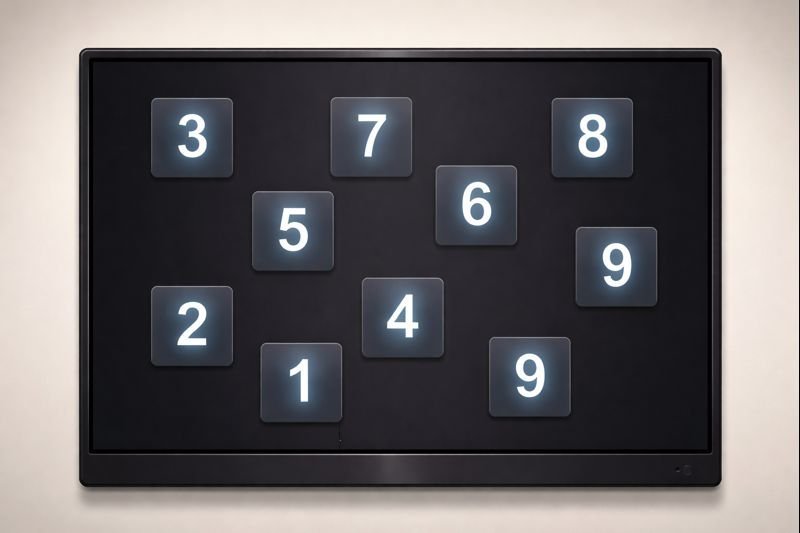
Chimp Memory Test
What this assessment demonstrates
This assessment explores how visual short-term memory works under extreme time pressure. It is inspired by well-known chimpanzee memory experiments that revealed differences between rapid visual recall and deliberate human memory strategies.
You will observe how quickly your brain captures spatial information, how attention affects recall accuracy, and why humans often trade speed for accuracy when processing visual sequences.
What you will learn
- How visual memory performs under rapid exposure
- Why chimpanzees can outperform humans in short-term recall
- How attention and processing speed influence memory accuracy
Reaction Time Test
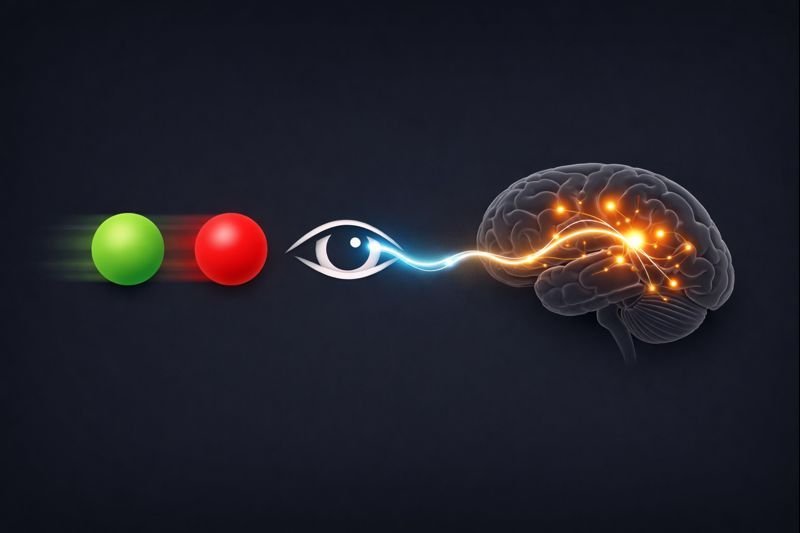
What this assessment demonstrates
This assessment measures how quickly your brain processes a visual signal and converts it into a physical response. Reaction time reflects neural processing speed, attention readiness, and visual-motor coordination.
The results help explain why reaction time varies between individuals and situations, especially under fatigue, distraction, or increased cognitive load.
What you will learn
- How fast your brain responds to visual stimuli
- Why reaction time is different from reflexes
How attention and alertness influence response speed
Pattern Memory Test
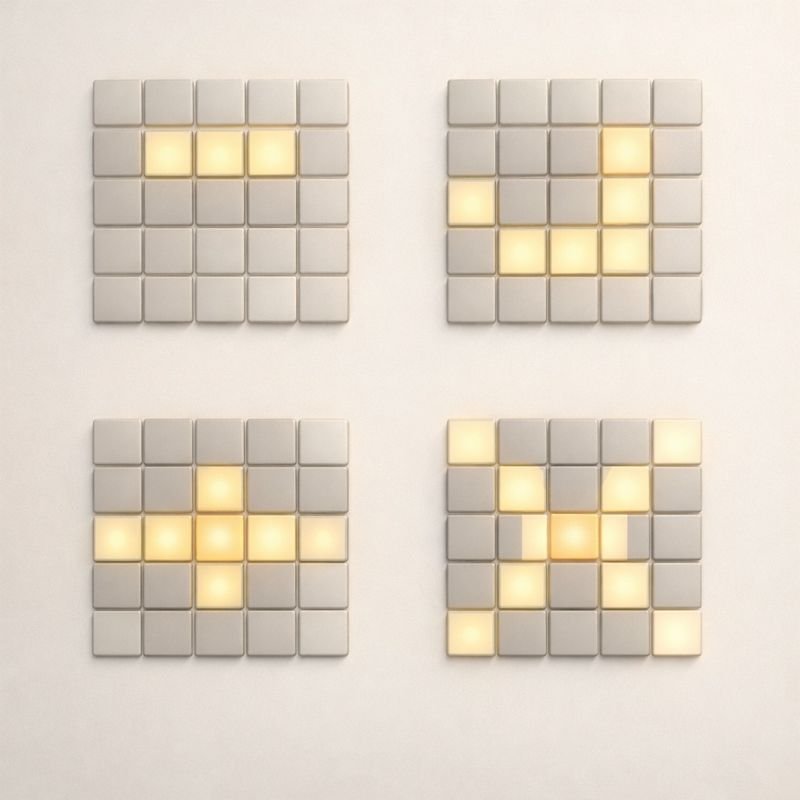
What this assessment demonstrates
This assessment examines how the brain recognizes, stores, and recalls visual patterns as complexity increases. Pattern memory relies on visual-spatial working memory and the brain’s ability to organize information efficiently.
As the task progresses, you’ll see how memory accuracy changes when patterns become harder to mentally “chunk” and track.
What you will learn
- How visual-spatial memory handles increasing complexity
- Why pattern recognition becomes harder under cognitive load
- How the brain organizes visual information
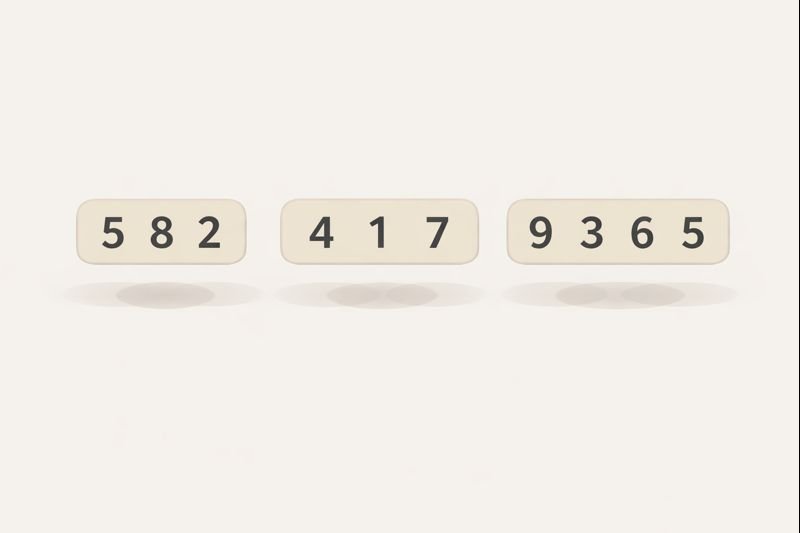
Number Memory Test
What this assessment demonstrates
This assessment is based on digit span tasks commonly used in cognitive psychology to study short-term and working memory capacity.
It shows how many numerical items the brain can temporarily store and mentally rehearse before information fades.
What you will learn
- Your approximate numerical working memory capacity
- Why numbers are harder to retain as sequences grow
How attention and rehearsal affect short-term storage
Verbal Memory Test
What this assessment demonstrates
This assessment explores how the brain processes, recognizes, and recalls language-based information. Verbal memory plays a key role in reading, learning, and communication.
The task highlights how repetition, familiarity, and cognitive load influence word recall.
What you will learn
- How verbal memory handles repeated exposure
- Why some words are easier to remember than others
- How language processing affects recall accuracy
All MemoryRush Assesstments measure performance on specific cognitive tasks under controlled conditions. Results can vary based on attention, fatigue, familiarity, and context, and they do not represent intelligence, diagnosis, or overall cognitive ability.
Extending Learning Beyond the Tests
Some readers choose to explore additional learning formats—such as guided exercises, audio experiences, or structured focus routines—to better understand how attention and mental states influence cognitive performance.
MemoryRush occasionally references these resources as optional extensions for personal exploration. They are not required to benefit from the assessments and do not affect how results are interpreted.
Why These Tests Matter
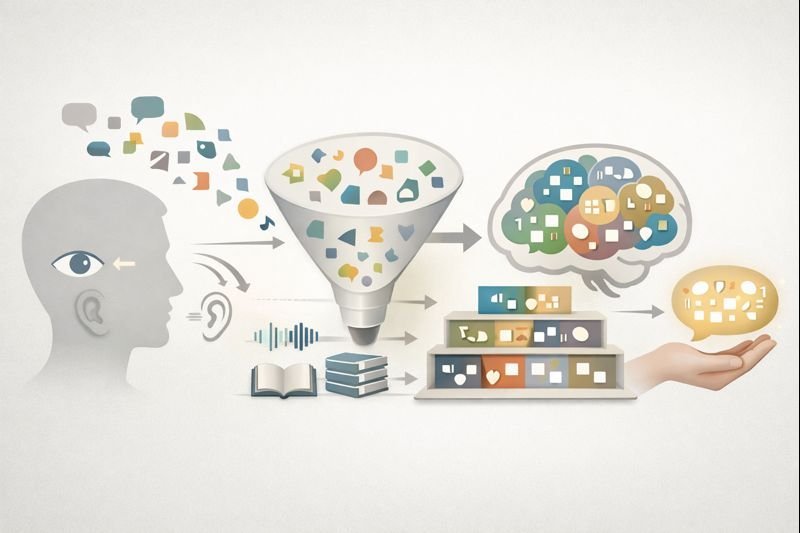
Each MemoryRush test represents a different cognitive system, not a single measure of intelligence. Together, they show how memory, attention, and reaction speed interact—and why performance can vary depending on task type, mental load, and visual complexity.
To explore the science behind these tests, visit our Blog & Knowledge Library.
Why Memory, Patterns, and Reaction Time Are Connected
Human cognition relies on how efficiently the brain detects patterns, stores short-term information, and retrieves it under time pressure.
Research shows that working memory capacity, attention limits, and visual processing speed directly affect learning, decision-making, and reaction time. When cognitive load increases, performance can drop—not because of intelligence, but because of how the brain prioritizes information.
MemoryRush connects these ideas by combining hands-on testing with explanations grounded in cognitive science, helping you understand not just what your score is, but why it happens.
Learn more about how memory works:
Explore the Science Behind Cognitive Performance
Our knowledge library breaks down complex research into clear, readable guides. Popular topic areas include:
Chimpanzee and Human Memory
Understand what chimp memory tests really prove and why humans process information differently.
Working, Visual, and Number Memory
Learn how the brain stores images, words, and numbers under real-world conditions.
Reaction Time and Attention
Discover how focus, multitasking, and mental load affect response speed.
Curious How Your Brain Compares?
Explore your cognitive strengths, learn how memory works, and see how attention and reaction time interact in real time.
MemoryRush is built for curiosity-driven learning. Our goal is not to rank, label, or diagnose performance, but to help users understand how memory, attention, and reaction speed function in real cognitive tasks.
Educational Use & Transparency
MemoryRush is an educational cognitive science platform.
We do not provide medical, psychological, or diagnostic advice.
All tests are designed for learning and exploration, not for clinical assessment. Content is based on established research in psychology and neuroscience and is presented in clear, accessible language.
For full transparency, please review:
- Disclaimer
- Privacy Policy
- Terms & Conditions
Our educational standards and content limitations are explained in detail on our About Us and Editorial Policy pages.
All MemoryRush assessments and explanations are developed independently under our editorial standards, regardless of any external resources referenced on the platform.
Frequently Asked Questions
Q1: Are these tests scientifically valid?
Yes. All MemoryRush assessments are research-inspired and based on peer-reviewed cognitive psychology studies. They are designed for educational exploration, not clinical diagnosis. Learn more in our [Editorial Policy].
Q2: Do the results measure intelligence?
No. These tests measure specific cognitive abilities like working memory, attention, and reaction time. Scores are for observation and learning purposes only.
Q3: Can repeated practice improve my performance?
Yes. Cognitive research shows that practice strengthens neural pathways and improves memory, attention, and reaction skills over time.
Q4: Is my data collected or shared?
MemoryRush does not provide medical or diagnostic services. All tests are anonymous unless you choose to share results. Read our [Privacy Policy] for details.
Q5: Who develops and reviews the content?
MemoryRush content is developed and overseen by Touheed Ali, founder & editor, with guidance from cognitive science literature and research-based editorial review. See our [About Us] for more.
Content & Research Standards
MemoryRush content is developed and overseen by a research-focused editorial team led by Touheed Ali, Founder and Editor, with experience in cognitive psychology literature, neuroscience research review, and science communication.
Our explanations are based on peer-reviewed research, well-established cognitive experiments, and widely accepted psychological models. Content is reviewed for accuracy, clarity, and educational value.