
Pattern Memory & IQ
Quick Answer:
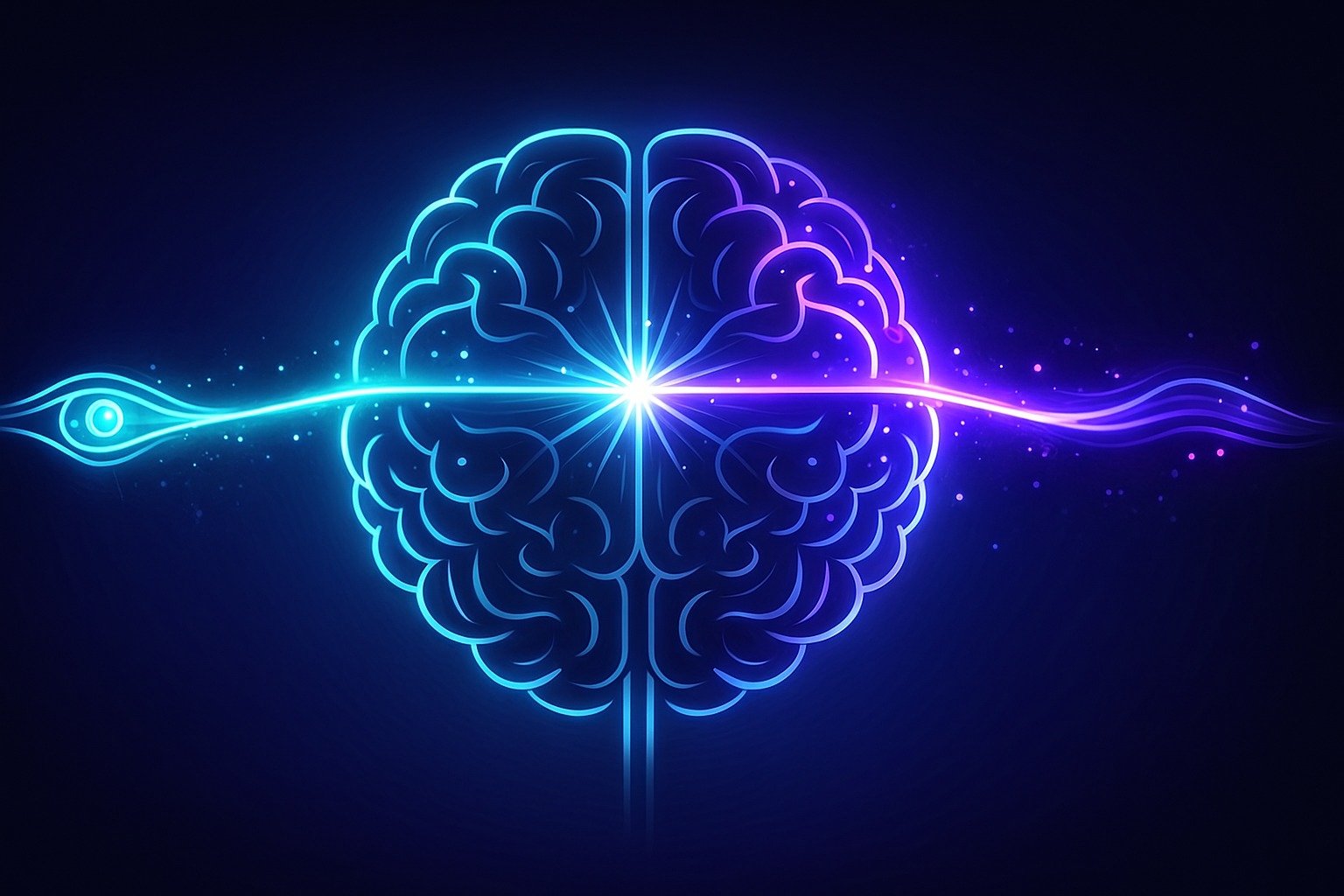
Most people think of IQ as a single number that reflects how “smart” you are. But under the surface, IQ depends on a network of cognitive systems—especially pattern memory. Pattern memory is the brain’s ability to notice, store, and use patterns in shapes, symbols, spatial layouts, sounds, and even sequences of events.
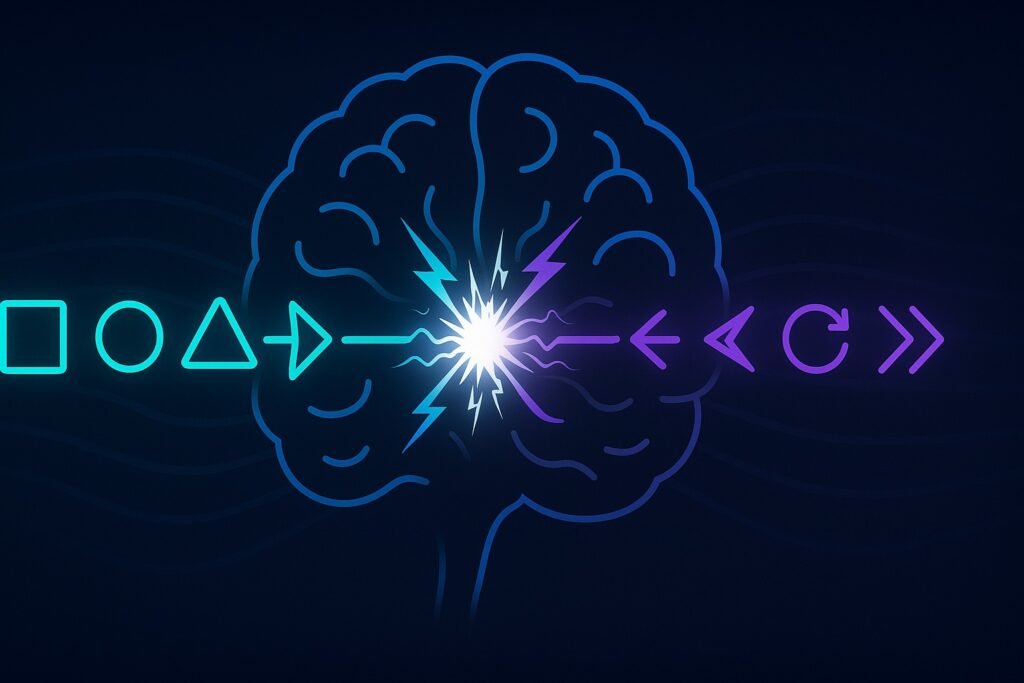
Unlike simple short-term memory (“remember these 7 digits”), pattern memory deals with structure and relationships: how items change, repeat, combine, or progress. This same skill lies behind many classic IQ tasks, from completing visual matrices to predicting the next item in a sequence.
In This Guide:
In this guide, we’ll connect every piece: iconic memory (snapshot memory), working memory, pattern recognition, fluid intelligence, and IQ tests. You’ll see why some people are naturally strong at pattern reasoning, how the brain processes patterns step by step, and why pattern memory is strongly related to IQ but not identical to it.
The Neural Reaction Process
Pattern processing follows a specific neural pathway from perception to reasoning. This interactive timeline visualizes each step:
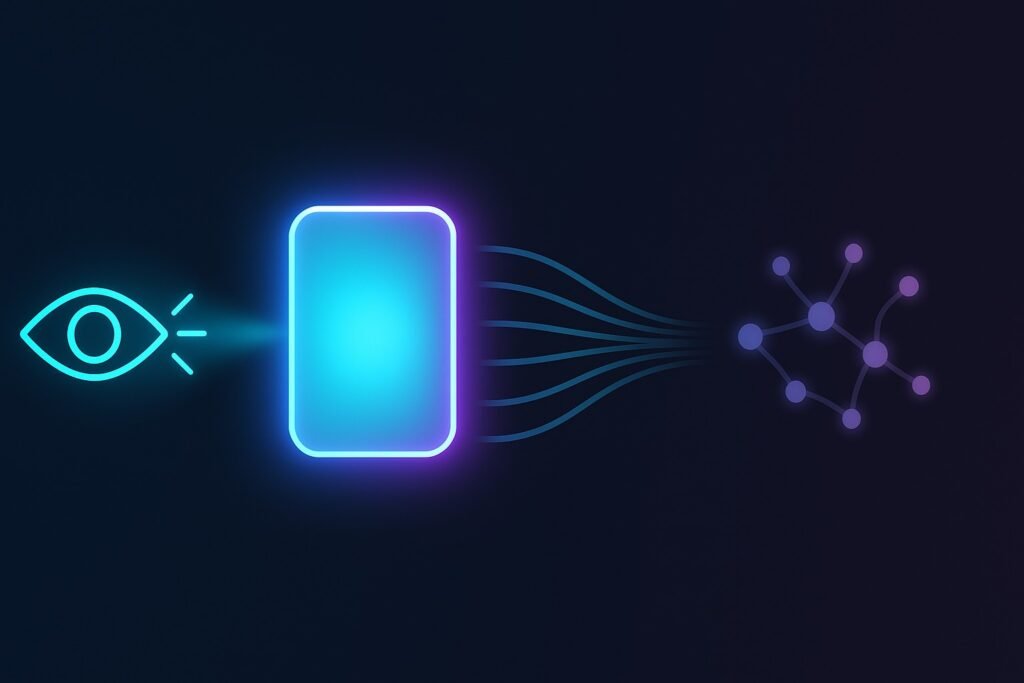
Visual Input & Sensory Registration
Pattern elements enter through the visual cortex. The brain registers shapes, colors, positions, and spatial relationships at a basic sensory level.
Iconic Memory Encoding
A high-resolution snapshot of the pattern is stored for 200-300 ms in iconic memory. This brief buffer allows feature extraction before the image fades.
Feature Binding & Pattern Detection
The ventral stream identifies objects (“what”), while the dorsal stream tracks positions (“where”). These features are bound together into coherent patterns.
Working Memory Manipulation
Pattern elements are actively maintained and manipulated in working memory. The prefrontal cortex tests rule hypotheses and compares pattern variations.
Rule Extraction & Fluid Reasoning
Fluid intelligence identifies the underlying rule governing the pattern. This may involve abstraction, generalization, and prediction of missing elements.
Response Selection & Execution
The brain selects the appropriate response based on the identified pattern rule and executes it through motor pathways.

Memory System Comparison Table
Different memory systems contribute to pattern-based intelligence in distinct ways:
| System | Typical Duration | Main Purpose | Role in Pattern IQ |
|---|---|---|---|
| Iconic Memory | 200–300 ms | High-detail visual capture | Provides raw snapshot for pattern extraction |
| Working Memory | 15–20 seconds | Active manipulation | Holds and tests pattern rules, core of reasoning |
| Long-Term Memory | Days to years | Stable storage | Stores learned rules, strategies, pattern templates |
| Procedural Memory | Automatic | Habits and skills | Supports automatised pattern-based skills (e.g., reading, playing music) |
5 Neuroscience Mechanisms of Pattern Processing
Pattern intelligence emerges from the interaction of multiple specialized brain systems:
Ventral Pathway (“What” System)
Recognizes shapes, objects, and features. Processes “what” is present in each pattern element.
Dorsal Pathway (“Where/How” System)
Tracks spatial relationships, motion, and positions. Processes “where” elements are and how they change.
Prefrontal Cortex
Coordinates working memory, rule testing, and decision-making. The pattern reasoning bottleneck.
Neural Binding
Integrates features (shape, color, position) into unified pattern representations. Essential for complex patterns.
Attention Modulation
Filters relevant pattern elements and suppresses distractions. Affected by attention blink in rapid sequences.
Single vs. Multi-Tasking Pattern Processing
How the brain handles pattern tasks differently under single-task versus multitasking conditions:
Single-Task Pattern Flow
- Full attention available for pattern encoding
- Working memory focuses exclusively on pattern features
- Prefrontal cortex tests multiple rule hypotheses without interference
- Efficient binding of pattern elements into coherent structure
- Accurate rule identification and response selection
Multi-Tasking Pattern Flow
- Divided attention reduces pattern encoding quality
- Working memory capacity split between pattern and secondary task
- The prefrontal cortex switches between tasks, losing rule hypotheses
- Binding failures create fragmented pattern representations
- Increased errors, slower responses, or missed patterns
0.72
200-300ms
4±1
40-60%
150-350ms
25-30%
Frequently Asked Questions
Common questions about pattern memory and intelligence, answered with neuroscience insights:
Is pattern memory related to IQ?
Does pattern recognition measure intelligence?
Why do some people have stronger pattern memory than others?
Can you improve pattern intelligence?
Why do IQ tests use so many patterns and shapes instead of words?
Scientific References
Key research studies supporting the neuroscience of pattern memory and intelligence:
Working memory capacity and fluid intelligence
The neural basis of visual pattern recognition
Chimpanzee superior visual memory
Master Your Pattern Recognition Skills
Apply the neuroscience of pattern ranking with our specialized tools and guides. Test your abilities, understand the science, and improve your cognitive performance.
Interactive Pattern Test
Challenge your brain's pattern ranking system in real-time with scientifically designed memory tests.
Take the TestComplete Pattern Guide
Understand pattern memory fundamentals and how it differs from visual memory processing.
Read GuideTraining & Improvement
Practical strategies to enhance your pattern recognition speed, accuracy, and overall ability.
Train NowDive deeper into pattern recognition science with our comprehensive resource library:

Touheed Ali
Touheed Ali is the founder and editor of MemoryRush, an educational cognitive science platform. He builds and maintains interactive tools focused on memory, attention, and reaction time.
His work centers on translating established cognitive science concepts into clear, accessible learning experiences, with an emphasis on transparency and responsible design.
MemoryRush
Educational Cognitive Science Platform • Memory • Attention • Reaction Time
Educational Use Only
MemoryRush is created for learning and self-exploration and does not provide medical, psychological, or clinical evaluation.
2 thoughts on “ Pattern Memory & IQ—Are They Connected?”
Comments are closed.