Why Some People Have Strong Visual Memory

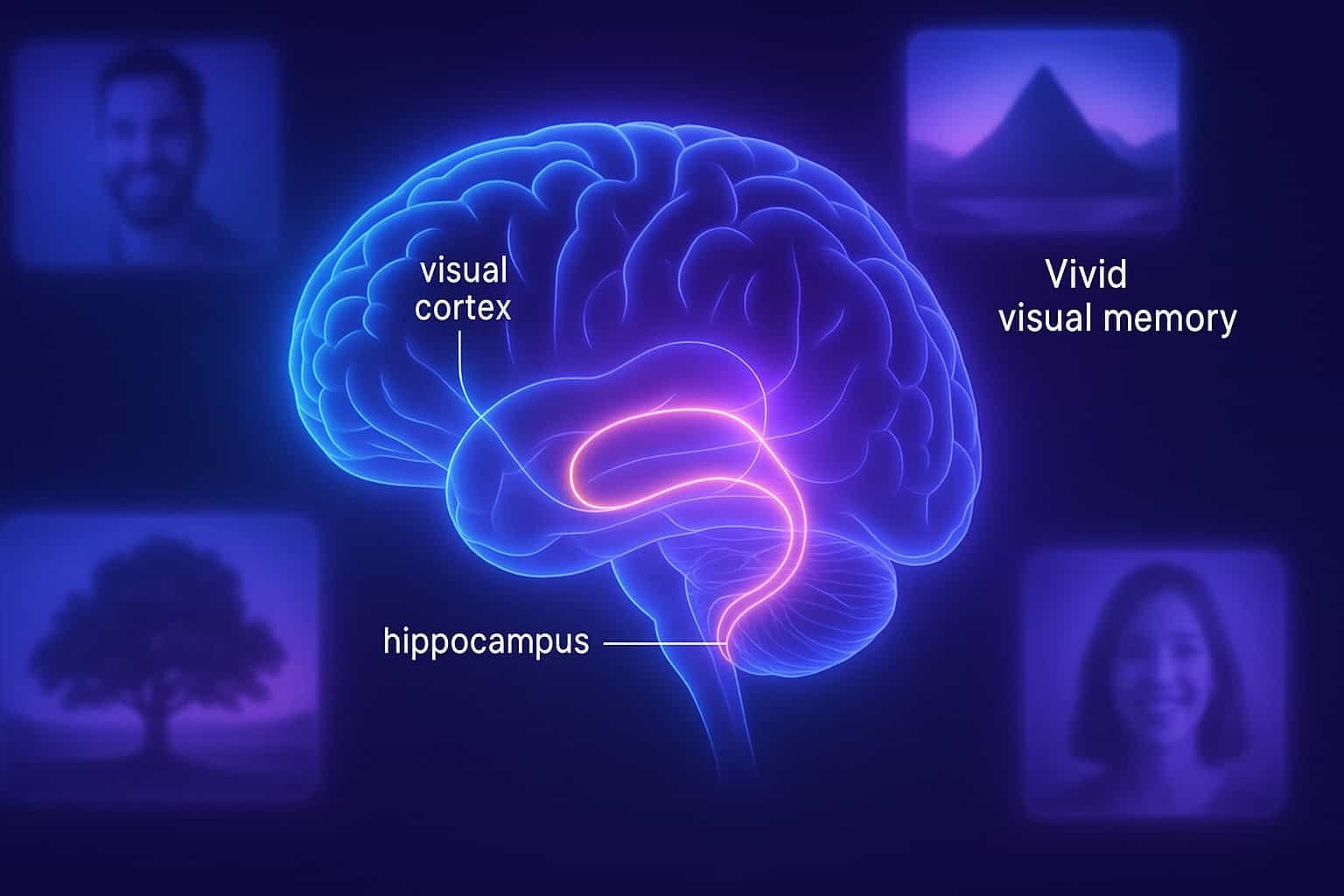
Some people naturally recall images, scenes, and visual details far better than others—but the reason isn’t magic or photographic memory. Strong visual memory comes from a unique blend of genetics, brain connectivity, mental imagery strength, attention, lifestyle, and learned memory techniques. This article breaks down the real neuroscience behind vivid visual recall.

Chimpanzee Eidetic Memory Study

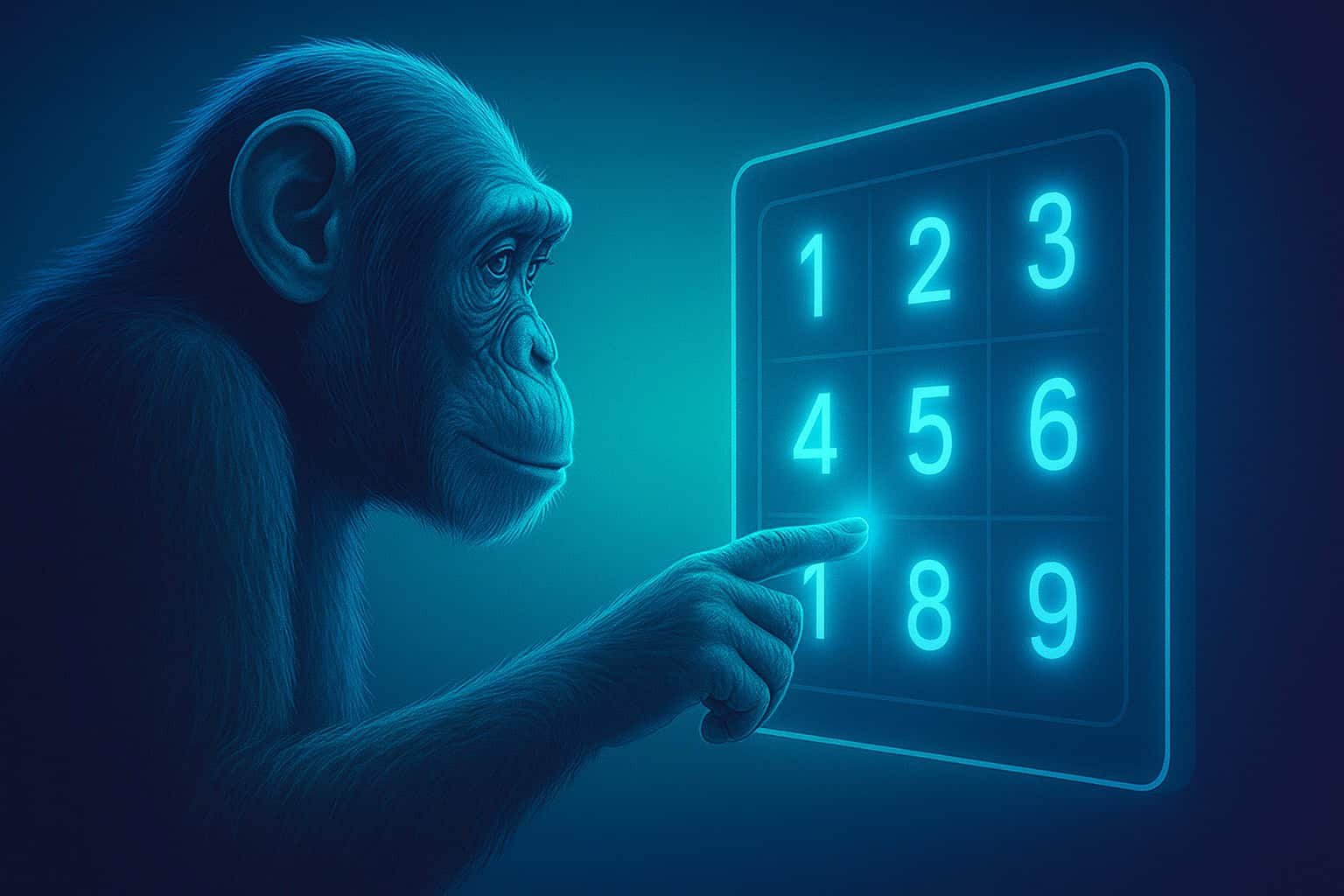
Young chimpanzees have stunned researchers with their eidetic-like memory abilities, outperforming adult humans in rapid visual recall tasks. In the groundbreaking Kyoto University experiment, chimps like Ayumu could memorize and reproduce number positions after just a 210-millisecond flash. This article breaks down the full study, the cognitive science behind their performance, evolutionary explanations, and how trained humans compare.

Pattern Recognition Speed vs Accuracy: The Full SAT Framework

Pattern recognition depends on a delicate balance between speed and accuracy. Push the brain or an AI system to respond faster, and precision drops; demand perfect accuracy, and processing slows. This article explores the full speed-accuracy trade-off (SAT) across human cognition and machine learning, showing how intuition, analytical thinking, neural load, and model architecture shape performance.

Simple vs Choice Reaction Time

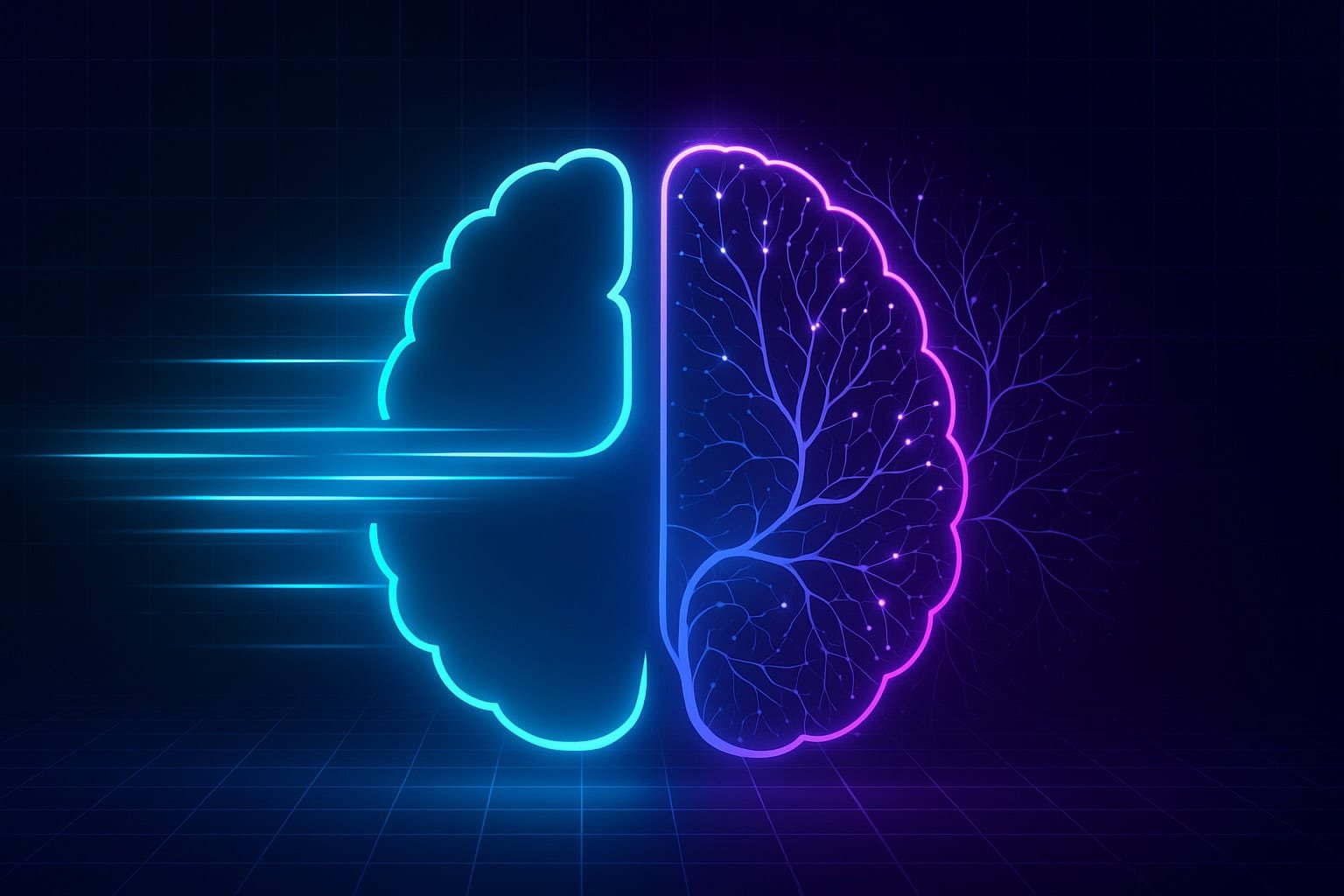
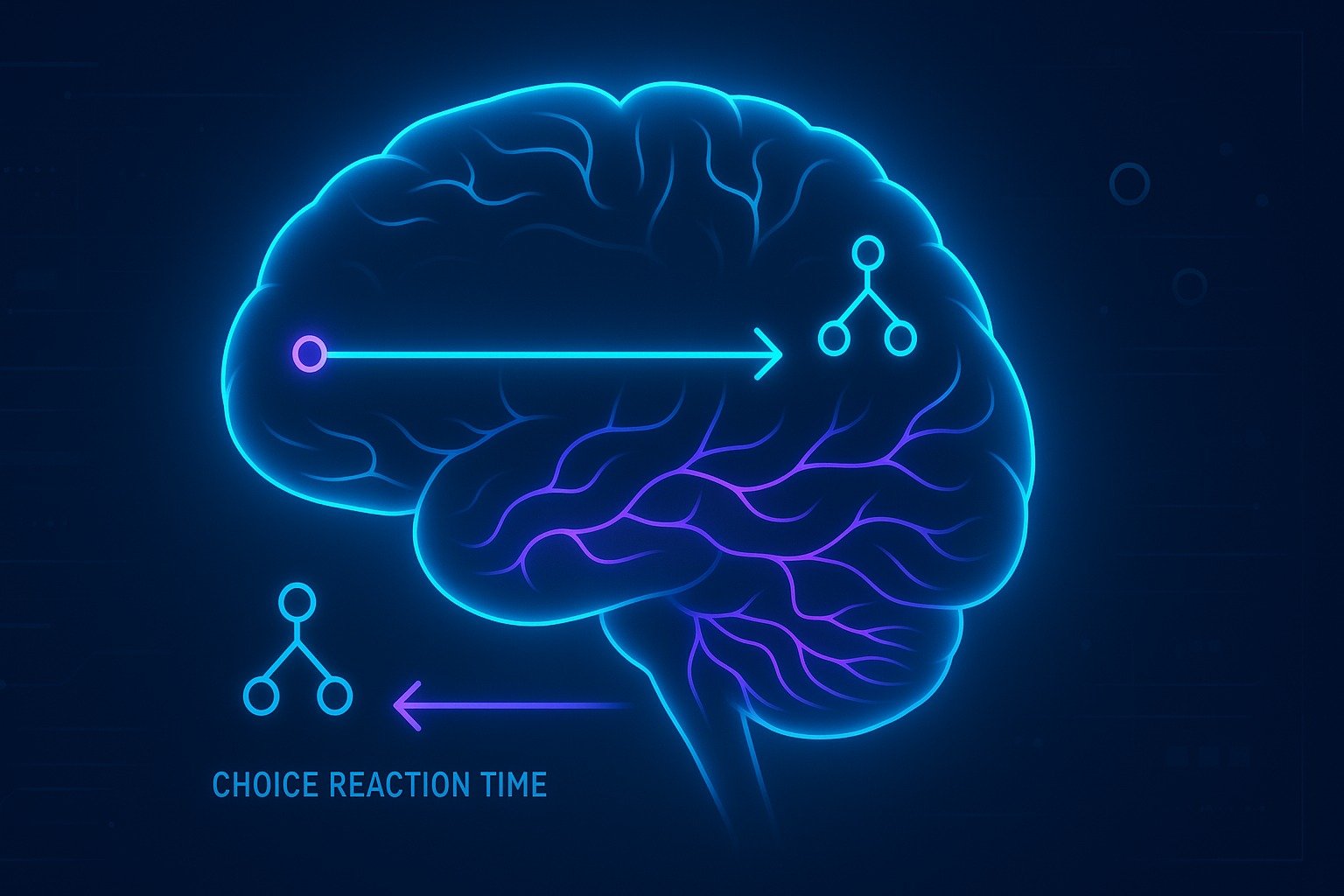
“Glowing brain diagram showing a straight neural pathway representing simple reaction time and a branching decision pathway illustrating choice reaction time, with neon blue and purple neural lines.”

Simple reaction time vs. choice reaction time explained through clear examples, neuroscience, and real-life applications. Learn how SRT reflects pure sensory-motor speed, while CRT measures decision-making under pressure. Includes diagrams, Hick’s Law, reaction time tests, and science-backed strategies to improve both cognitive speed and accuracy.