Echoic Memory: Definition, Duration, Examples & Neuroscience Guide
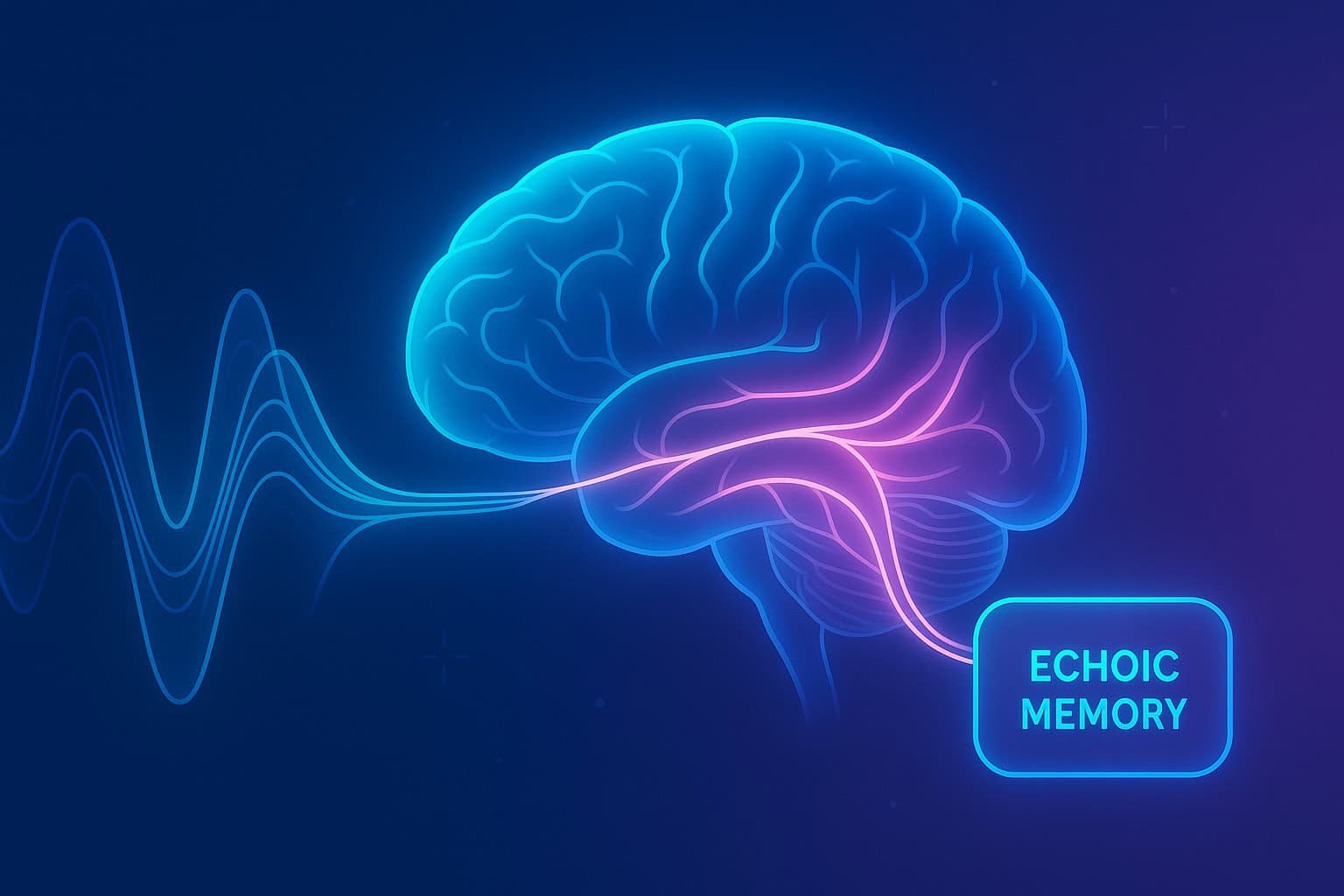
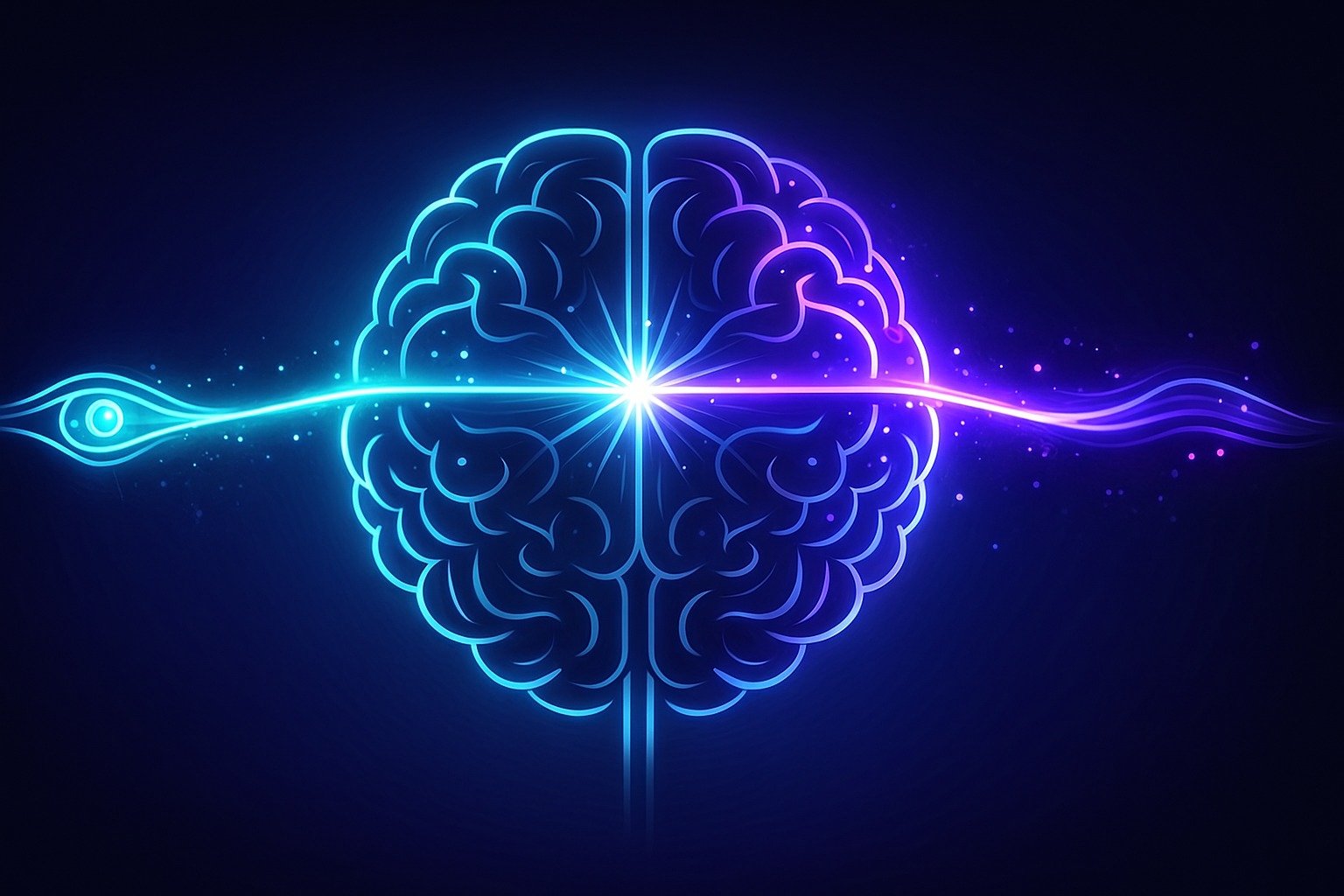
“Neon-style neuroscience illustration showing sound waves entering the brain and activating the auditory cortex, labeled as echoic memory.”

Echoic memory is the brain’s ultra-short auditory storage system, holding sounds for 2–4 seconds so you can understand speech, recognize patterns, and navigate noise. This guide covers the science behind echoic memory, real-life examples, experiments, disorders, self-tests, and evidence-based training methods.
Visual Chunking: Complete Guide to Memory, Learning, UX & AI

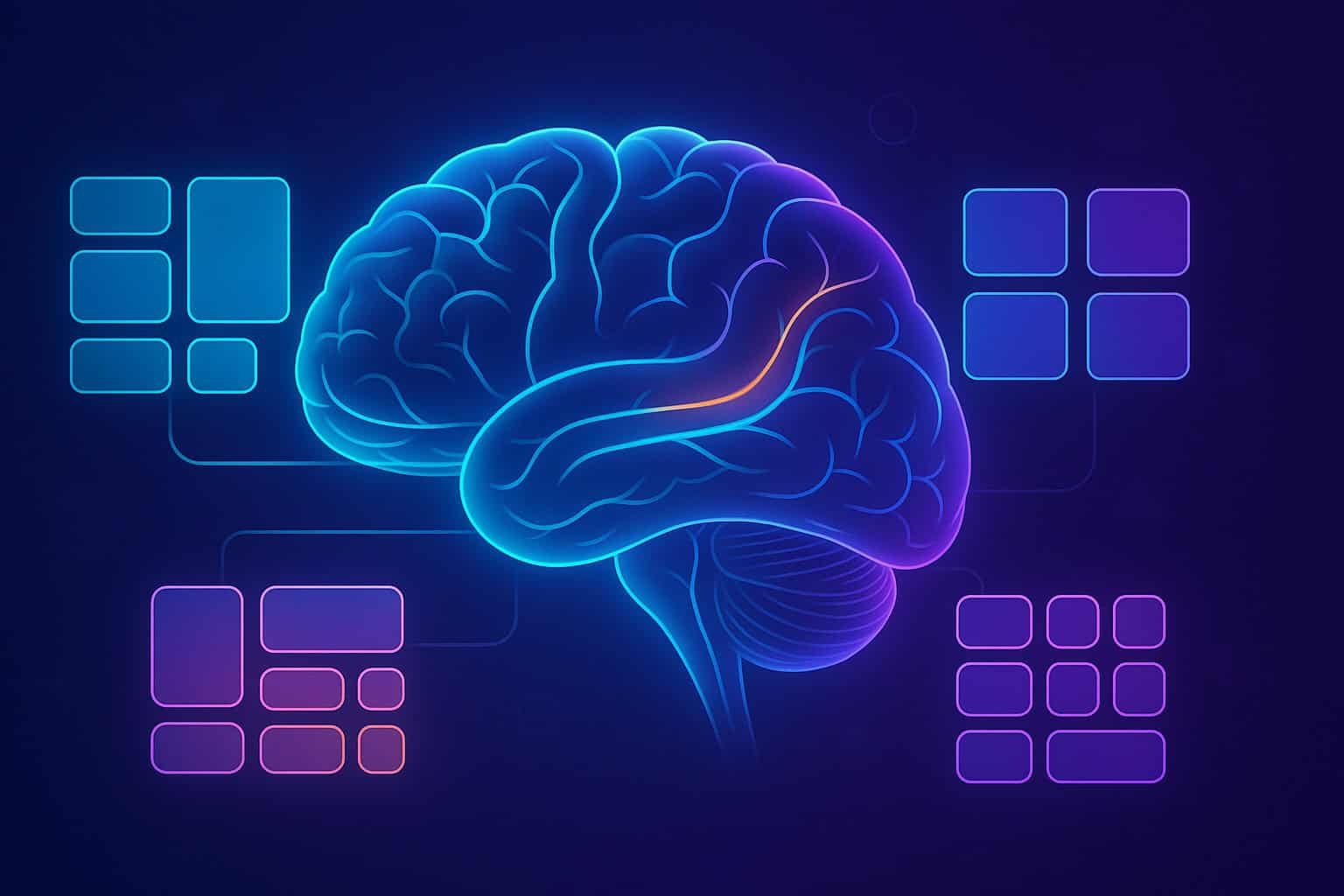
Visual chunking is the brain’s ability to group complex visual information into meaningful “chunks,” making it easier to perceive, understand, and remember. This guide explains the neuroscience behind chunking, how it boosts learning and memory, why it matters in UX design, and how AI systems use chunking to improve retrieval accuracy.

Eidetic Memory: Meaning, Science, Myths, Tests & Real Examples

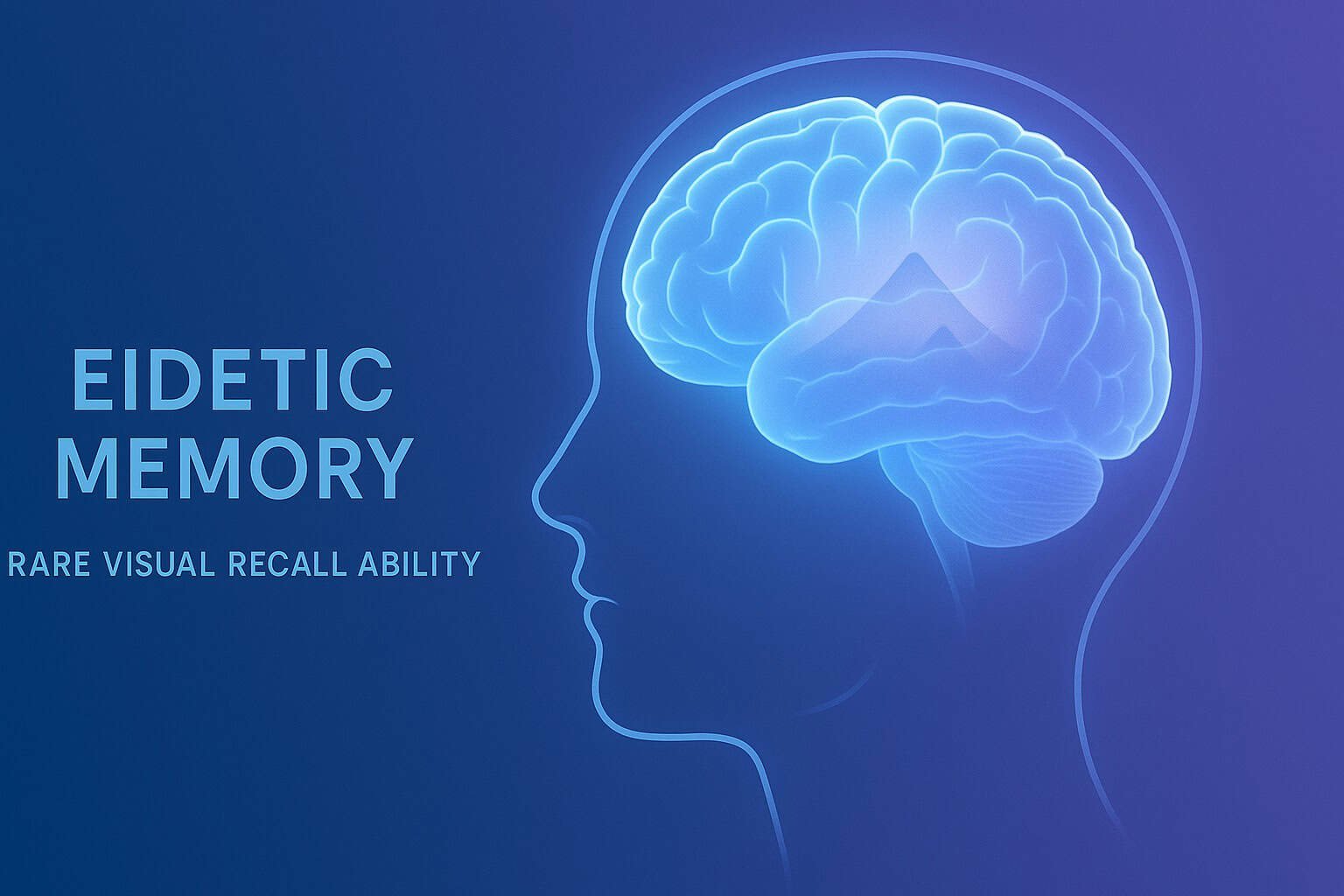
“Neuroscience-themed illustration showing eidetic memory as a fading visual image projected in the brain, symbolizing rare short-term visual recall.”

Eidetic memory refers to the rare ability to recall images vividly for a short time after seeing them once. This guide explains how it works, the myths behind photographic memory, child vs adult differences, real testing methods, scientific findings, rare memory conditions, and what people often mistake for true eidetic ability.

Working Memory vs Short-Term Memory: Differences, Models & Examples

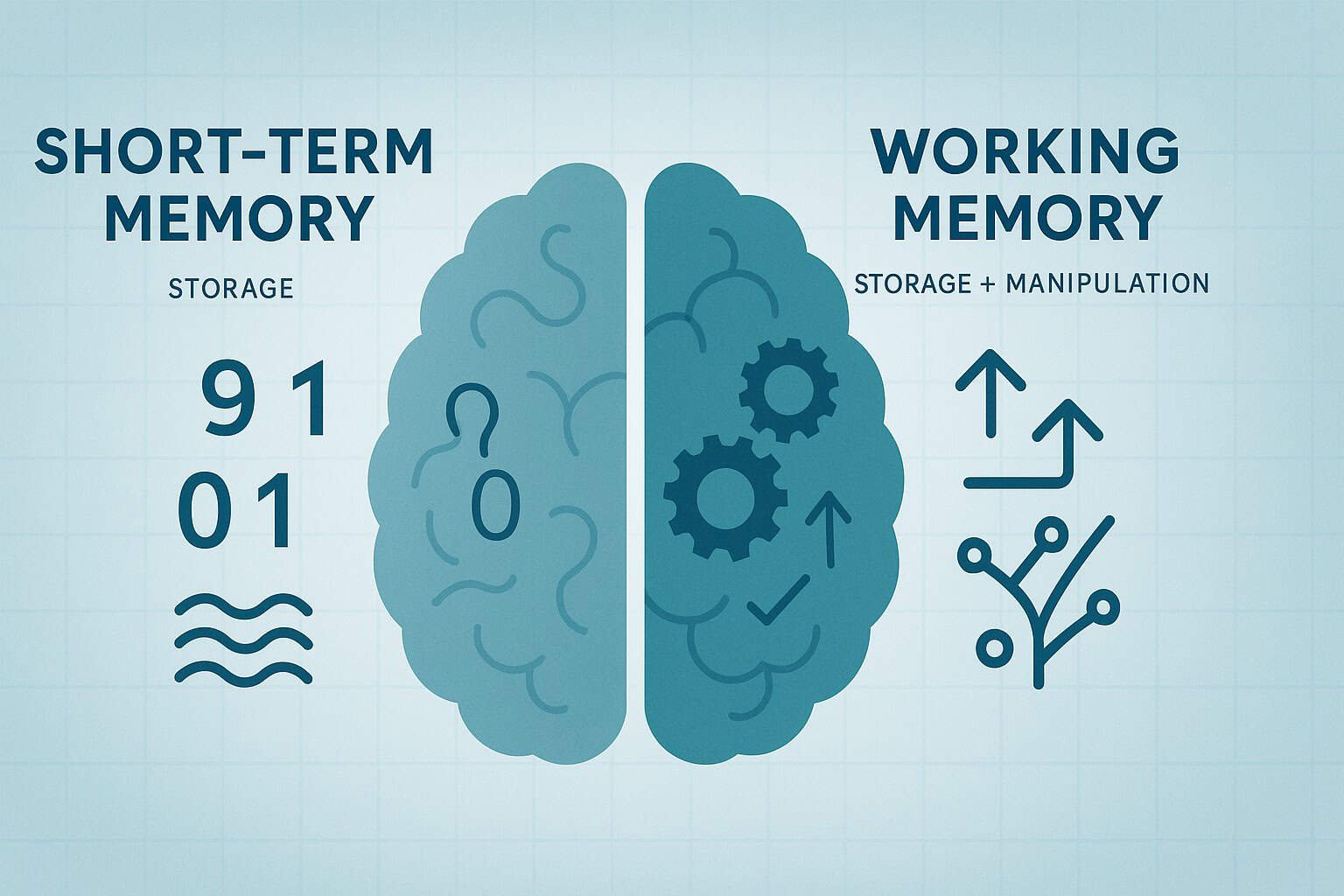
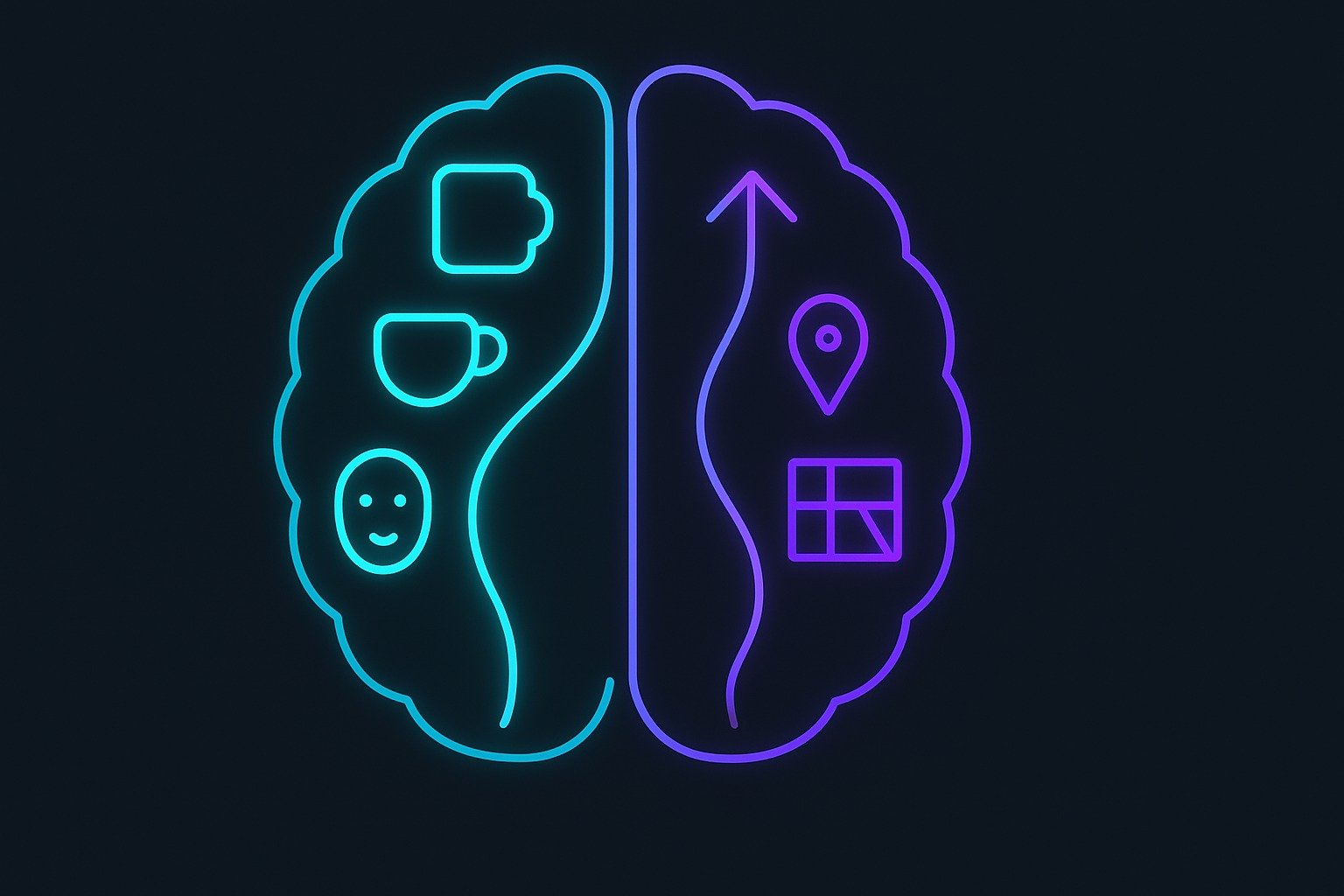
“Illustration comparing short-term memory and working memory with brain diagrams and cognitive icons, showing storage vs processing differences.”

A clear and complete guide explaining the difference between working memory and short-term memory. Learn definitions, cognitive models, brain mechanisms, real-life examples, ADHD links, and evidence-based strategies. Expert yet simple explanations suitable for students, educators, and psychology learners.

Benefits of the Chimp Test: Memory, Attention & Cognitive Insights

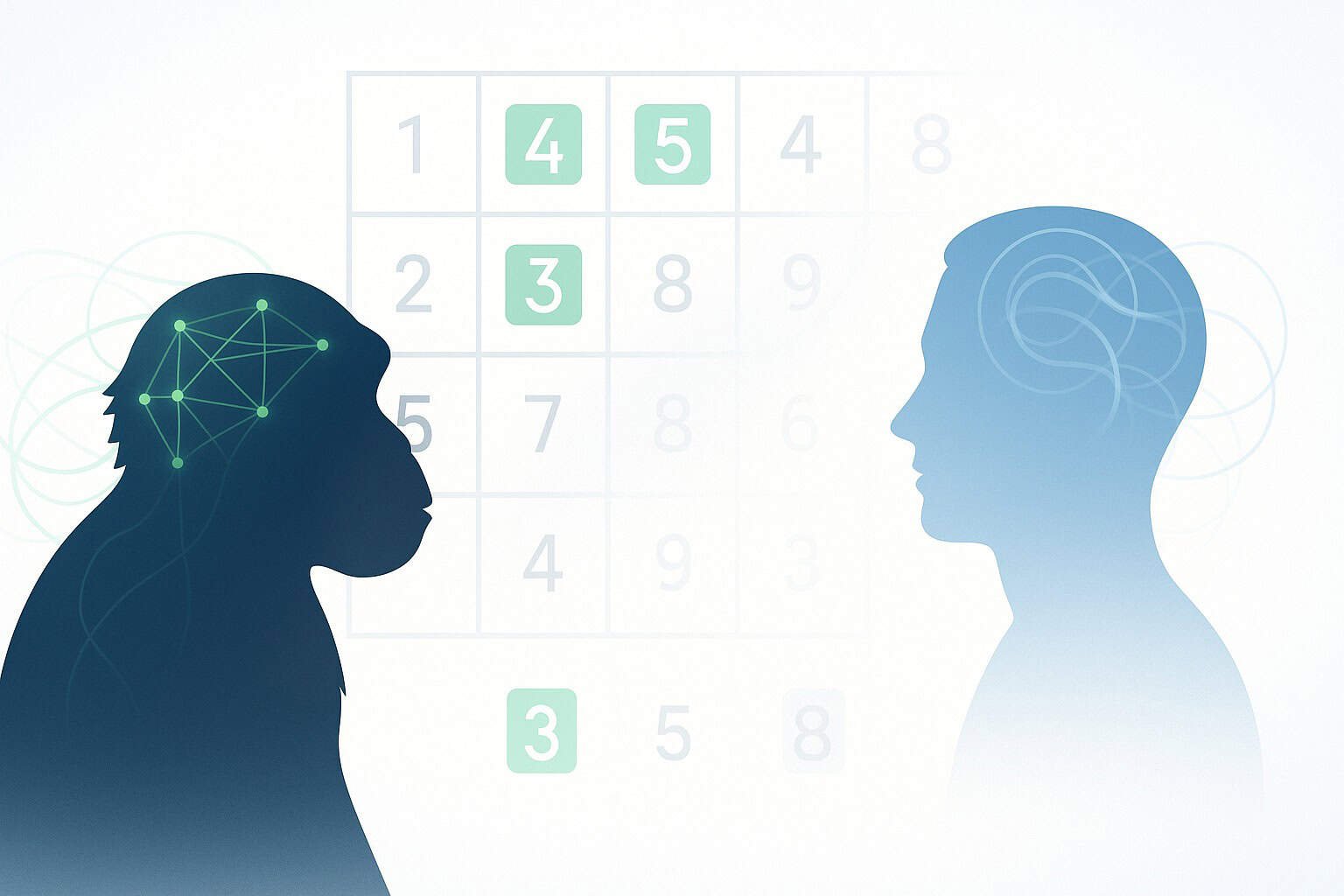
The chimp test reveals powerful insights into memory, attention, and evolution. Chimps outperform humans in rapid visual recall, showing how their brains encode information instantly. This article explains the full scientific, cognitive, and educational benefits of the chimp test — and why humans should take it too.

Why Numbers Are Harder to Remember Than Words

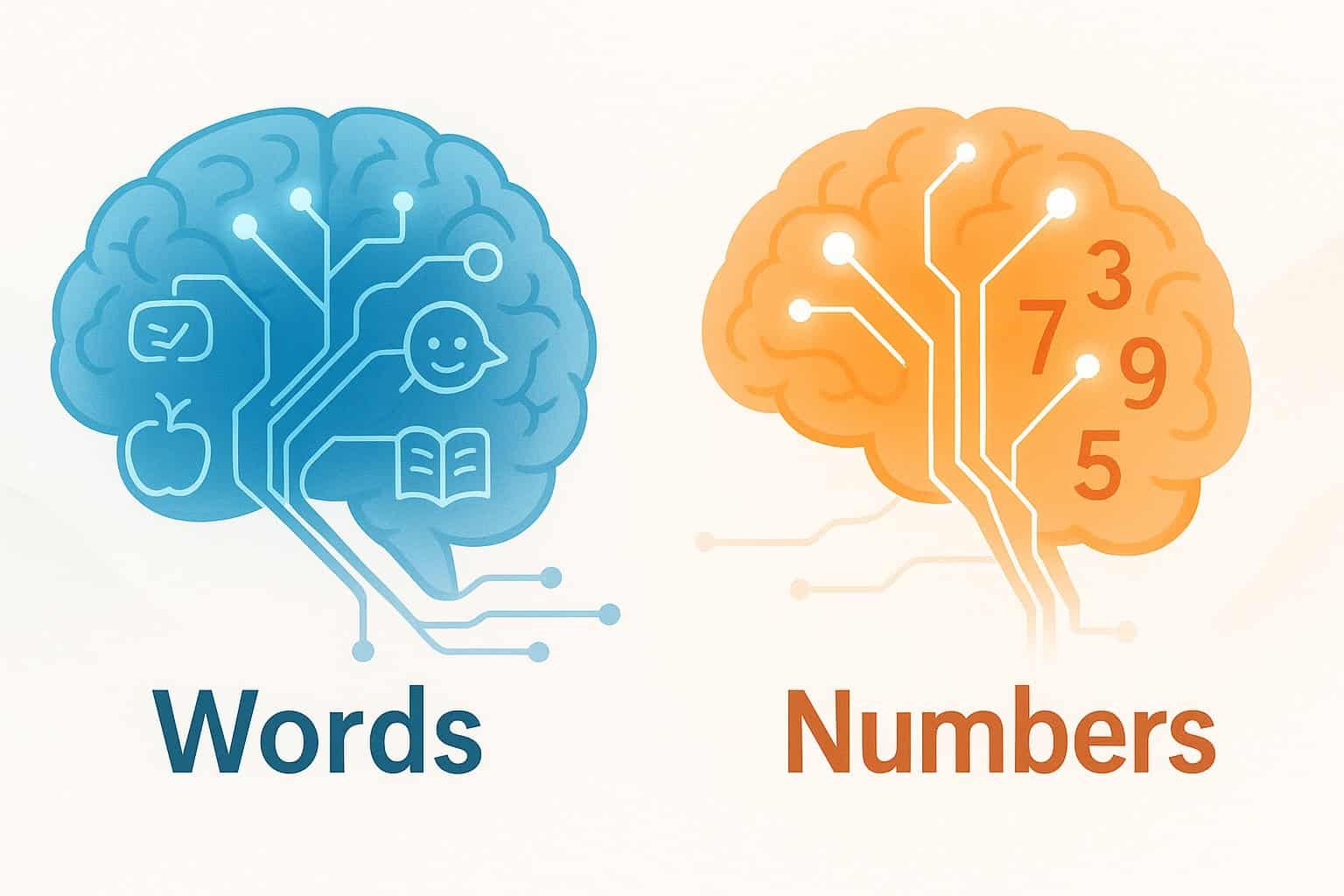
Numbers are harder to remember than words because they lack meaning, imagery, and natural patterns. The brain reads words as whole units but processes digits one-by-one, creating more cognitive load. This article explains the science behind number memory and practical techniques to recall digits more easily.

Human vs Chimp Memory: Full Cognitive Comparison & Evolution Guide

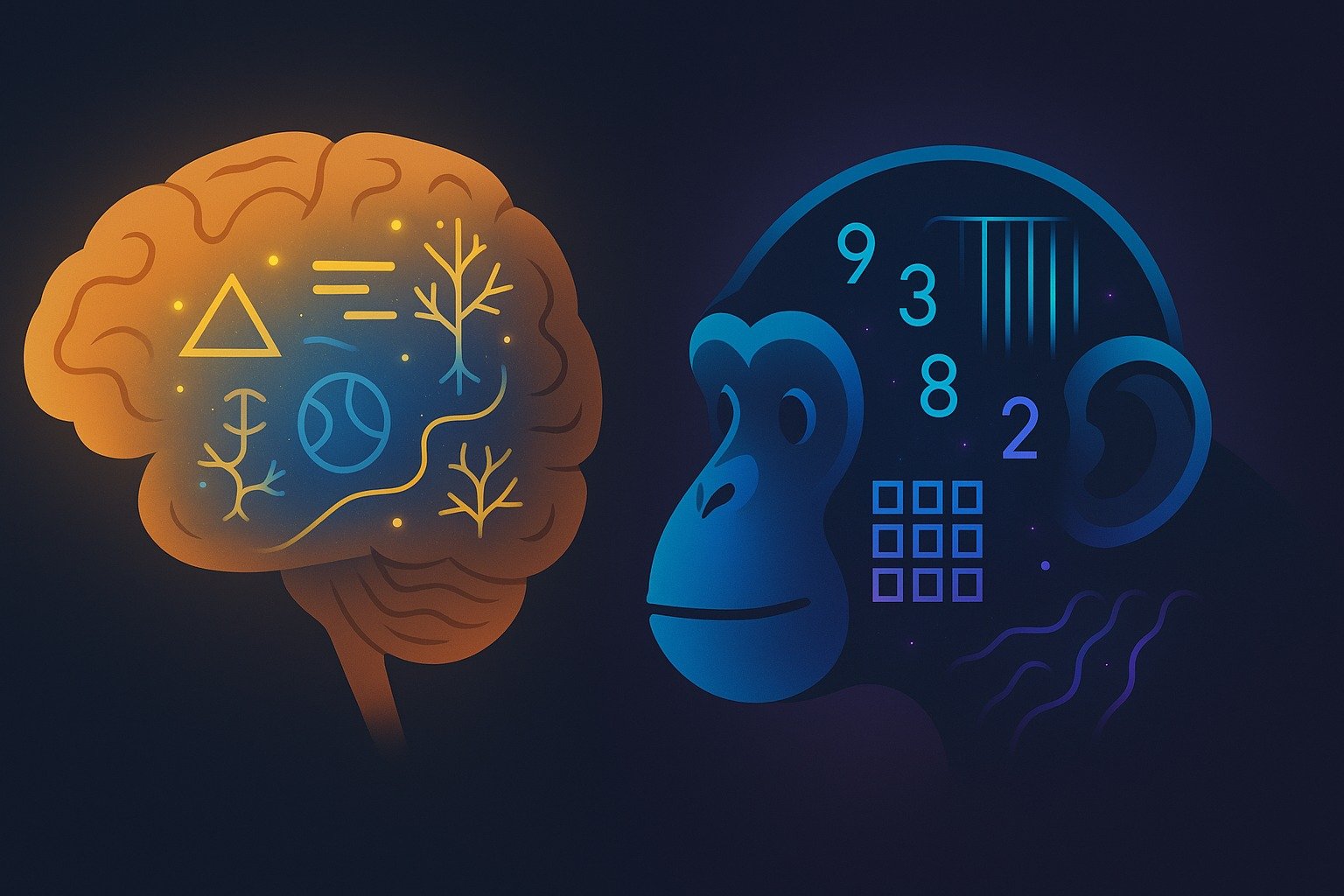
Humans and chimpanzees excel in very different memory systems. Chimps dominate ultra-fast visual and spatial memory, while humans lead in long-term, symbolic, and strategic memory. This guide explains every major difference—from iconic memory and working memory to neural architecture and evolutionary trade-offs—based on cutting-edge cognitive science.