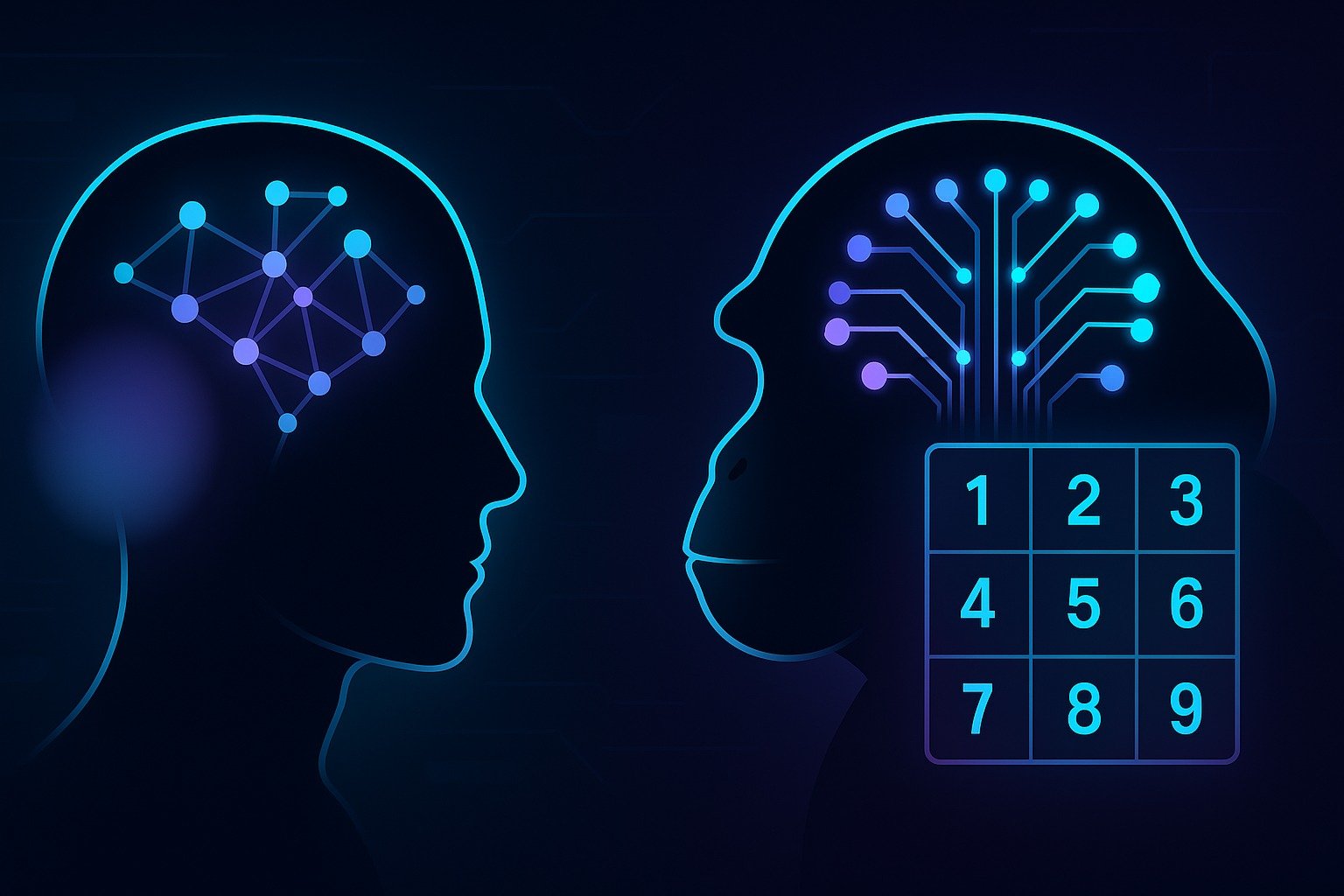
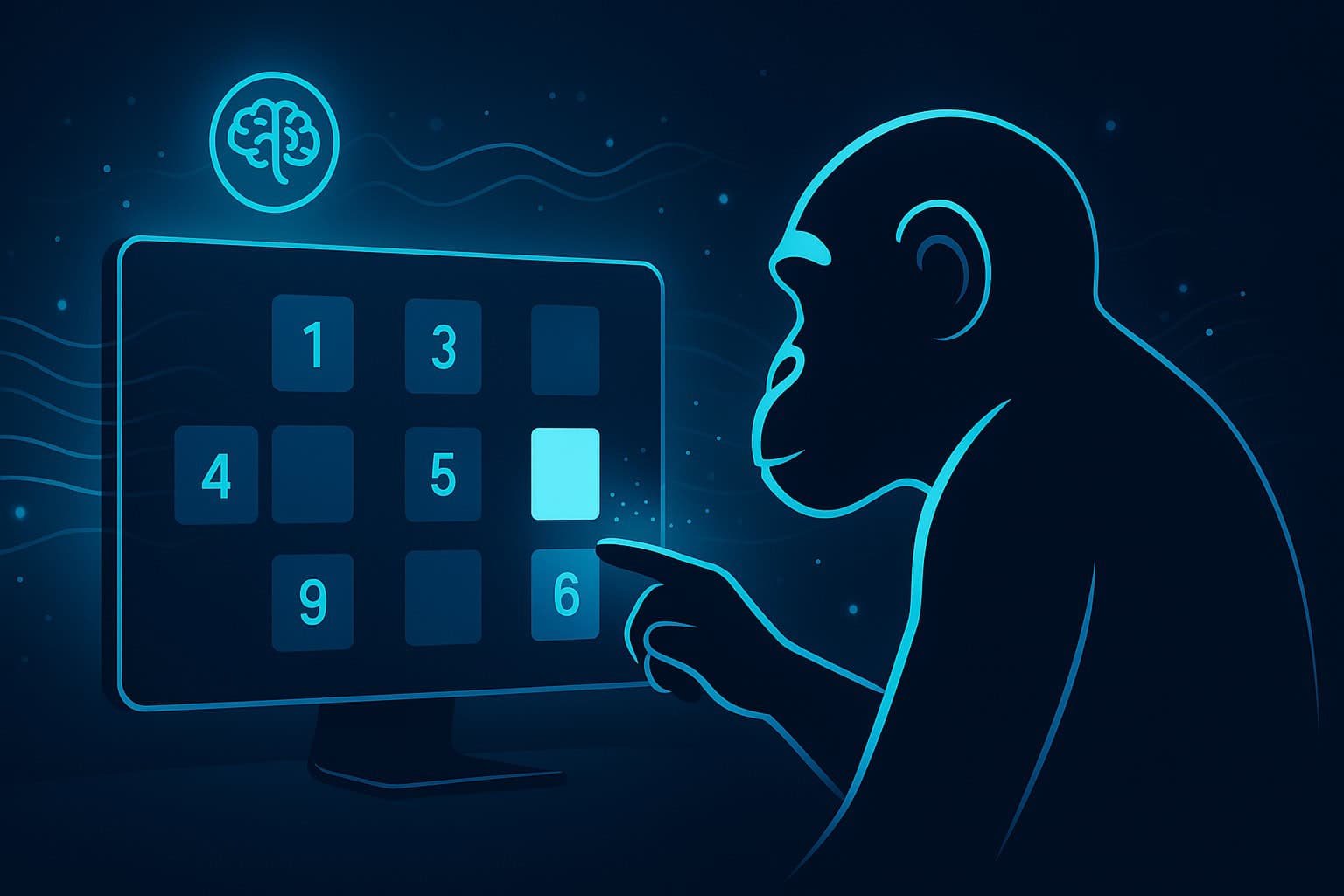
Humans miss fast details due to the attentional blink, but chimps capture entire patterns in a single snapshot. Explore the science behind their visual superpowers and try the Chimp Test yourself.
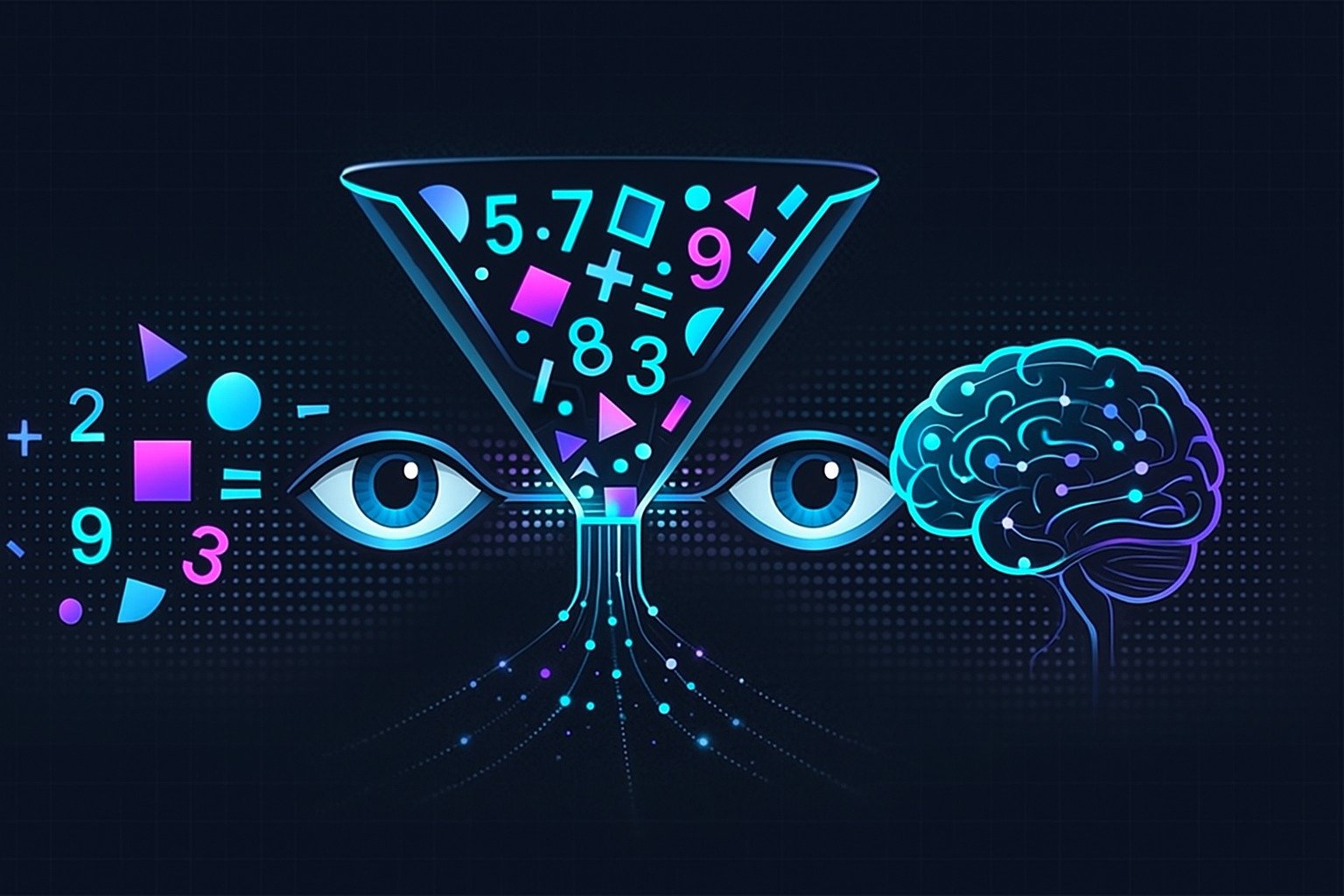
Pattern blindness is the hidden reason people overlook obvious patterns in puzzles, decisions, games, and daily life. This guide explains the neuroscience behind why your brain misses patterns, how overload and attention bottlenecks disrupt recognition, and the exact training methods that strengthen your pattern-spotting ability.
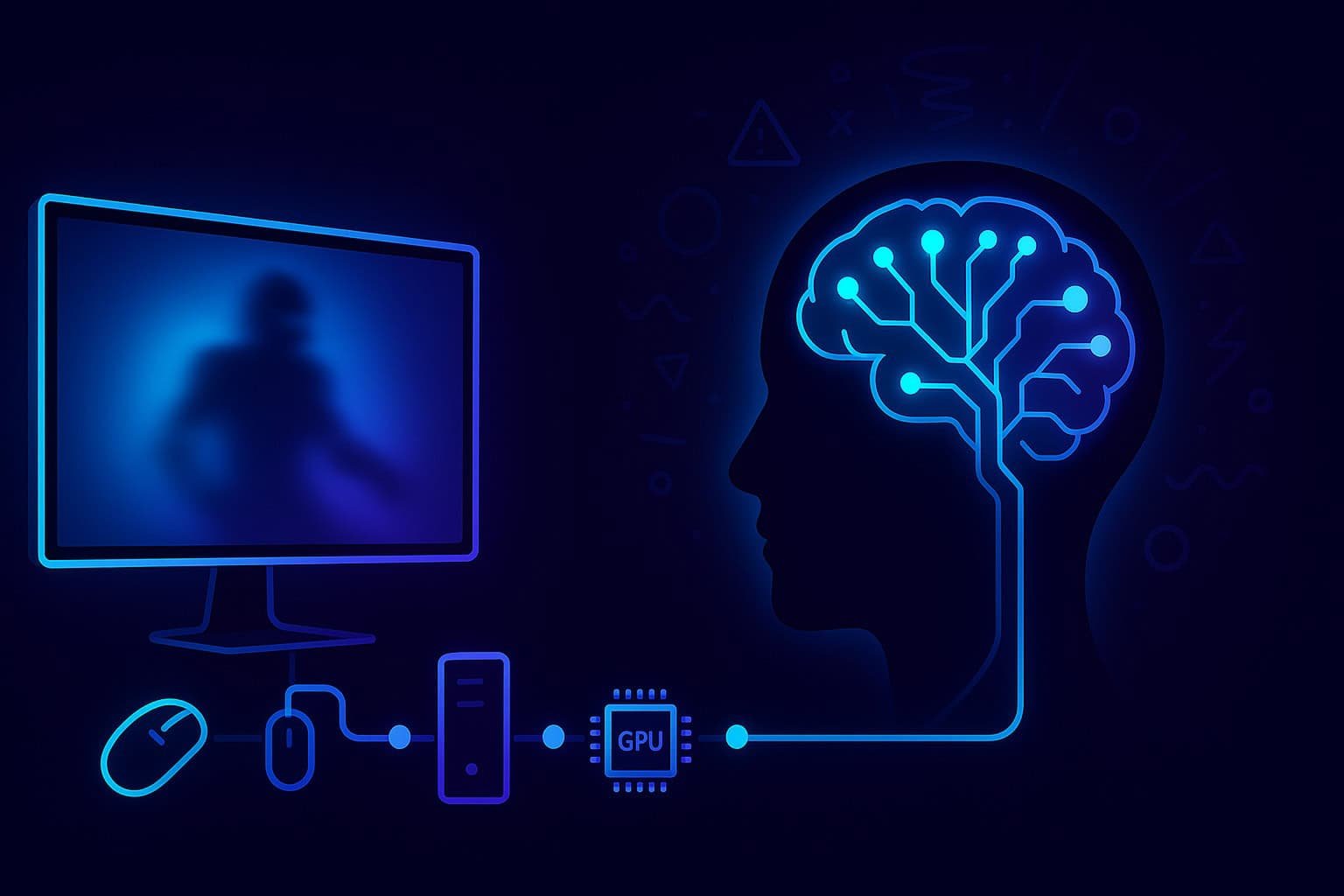
Many gamers experience moments when their reactions feel slow, delayed, or inconsistent—even when their reflexes are normally sharp. This complete guide explains why reaction time can feel delayed during gaming, even if your actual speed is unchanged. It covers the full spectrum of causes, including hardware latency, display response issues, input lag, frame-rate fluctuations, visual overload, attention bottlenecks, emotional stress, eye fatigue, and gameplay prediction errors.
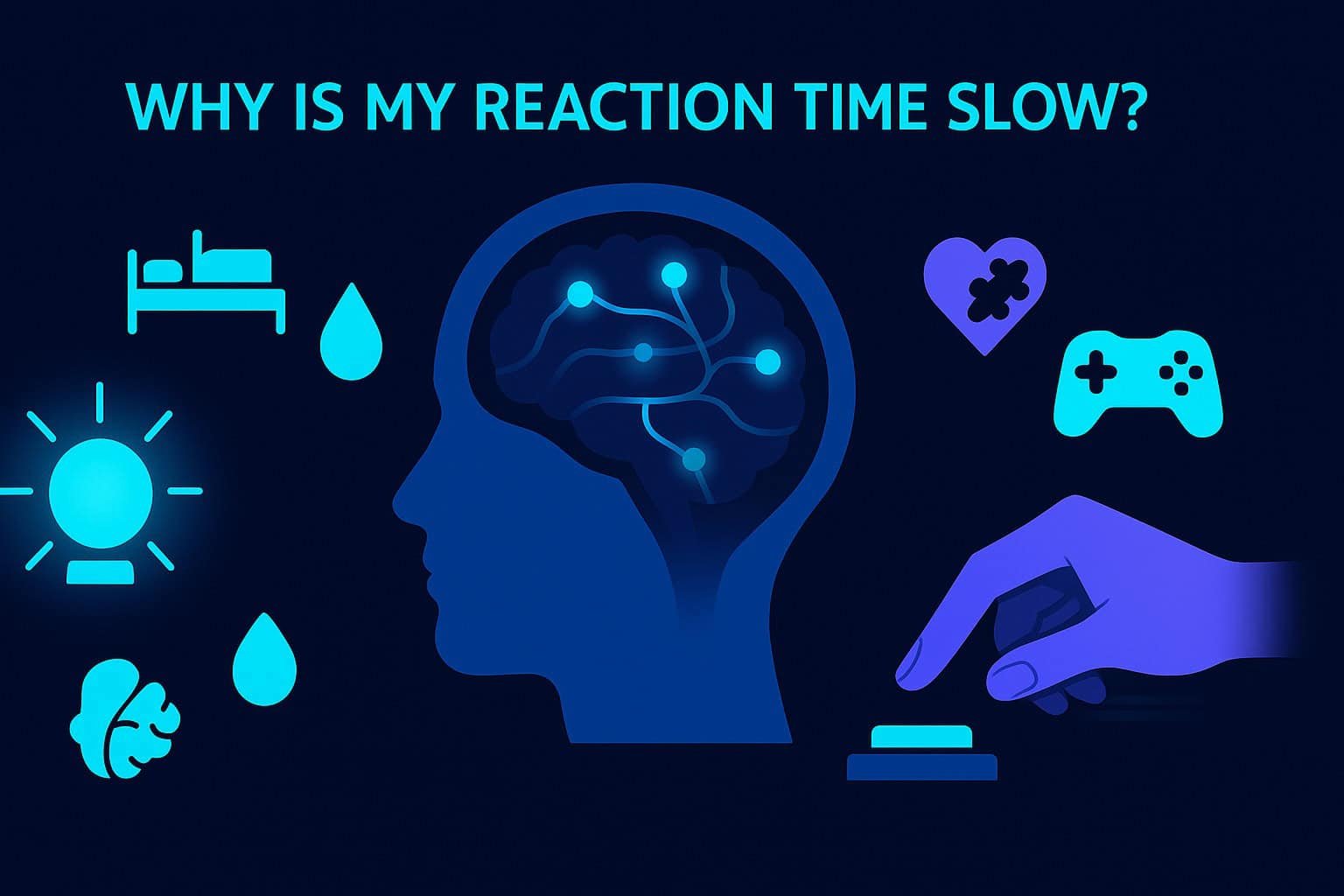
Slow reaction time can happen for many reasons—from poor sleep, dehydration and stress to neurological delays, sensory problems, and gaming-related factors like latency or low refresh rate. This guide explains every cause and gives proven, science-backed steps to improve your reaction speed safely and effectively.
Visual number memory is your ability to remember numbers you see by turning them into images, patterns, and scenes. This guide explains how it works in the brain, compares it with digit span tests, and gives you practical visual techniques and a simple routine to train your number memory step by step.
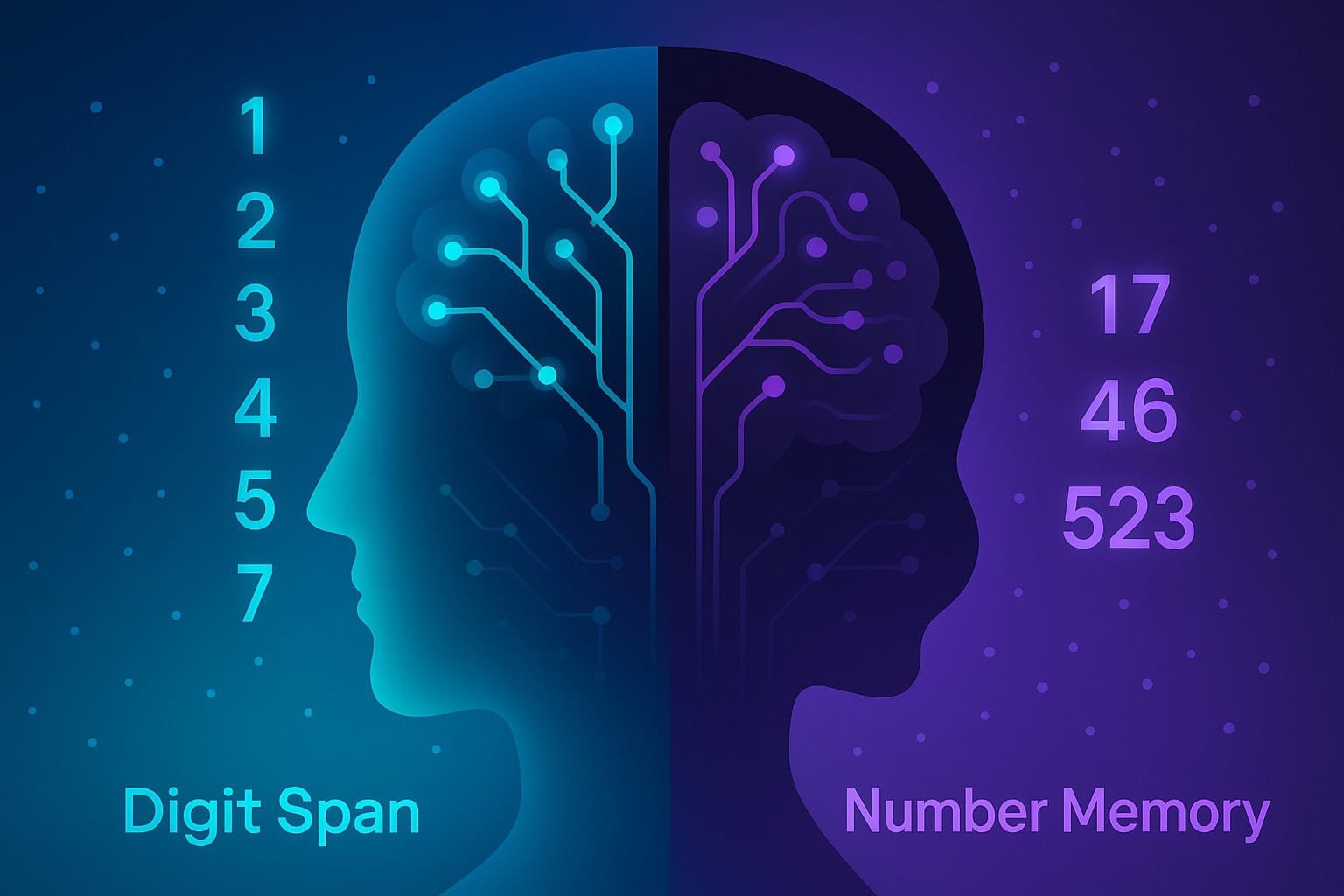
Digit Span and Number Memory may look similar, but they rely on completely different brain systems. This guide breaks down how digit span measures raw working-memory capacity while number memory reflects long-term, trainable recall. Learn the neuroscience, key differences, scoring methods, and how to improve each skill.
Some people remember long numbers effortlessly while others struggle with even short digits. This guide reveals the science behind number memory—from working memory mechanics to genetics, cognitive strategies, and real-world habits that make some brains better at digit recall.
Some people spot patterns instantly—whether in images, numbers, language, behaviour, or strategy. This article explains the science behind superior pattern recognition, including brain wiring, experience, ADHD traits, and how to train your own pattern-detecting brain.
The chimpanzee memory experiment shocked scientists when juvenile chimps outperformed adult humans in rapid visual recall tasks. This guide explains the Ayumu study, the limited-hold memory task, and why chimpanzees possess a snapshot-style memory humans can’t match.
Reaction time in sports is the speed an athlete responds to a stimulus like a ball, opponent, or signal. Learn its types, real sports examples, athlete benchmarks, and proven ways to improve reaction speed.