Does Reading Improve Verbal Memory? Science-Backed Answer

Woman reading a book in warm sunlight near a window, focused and immersed in text, representing the cognitive and memory benefits of reading.

Reading does far more than expand knowledge—it actively strengthens verbal memory, boosts word recall, and enhances long-term cognitive retention. By engaging language, attention, and memory networks simultaneously, reading becomes one of the most effective daily habits for improving verbal skills and overall brain performance.
Number Memory Techniques: Fast Methods to Recall Numbers Easily

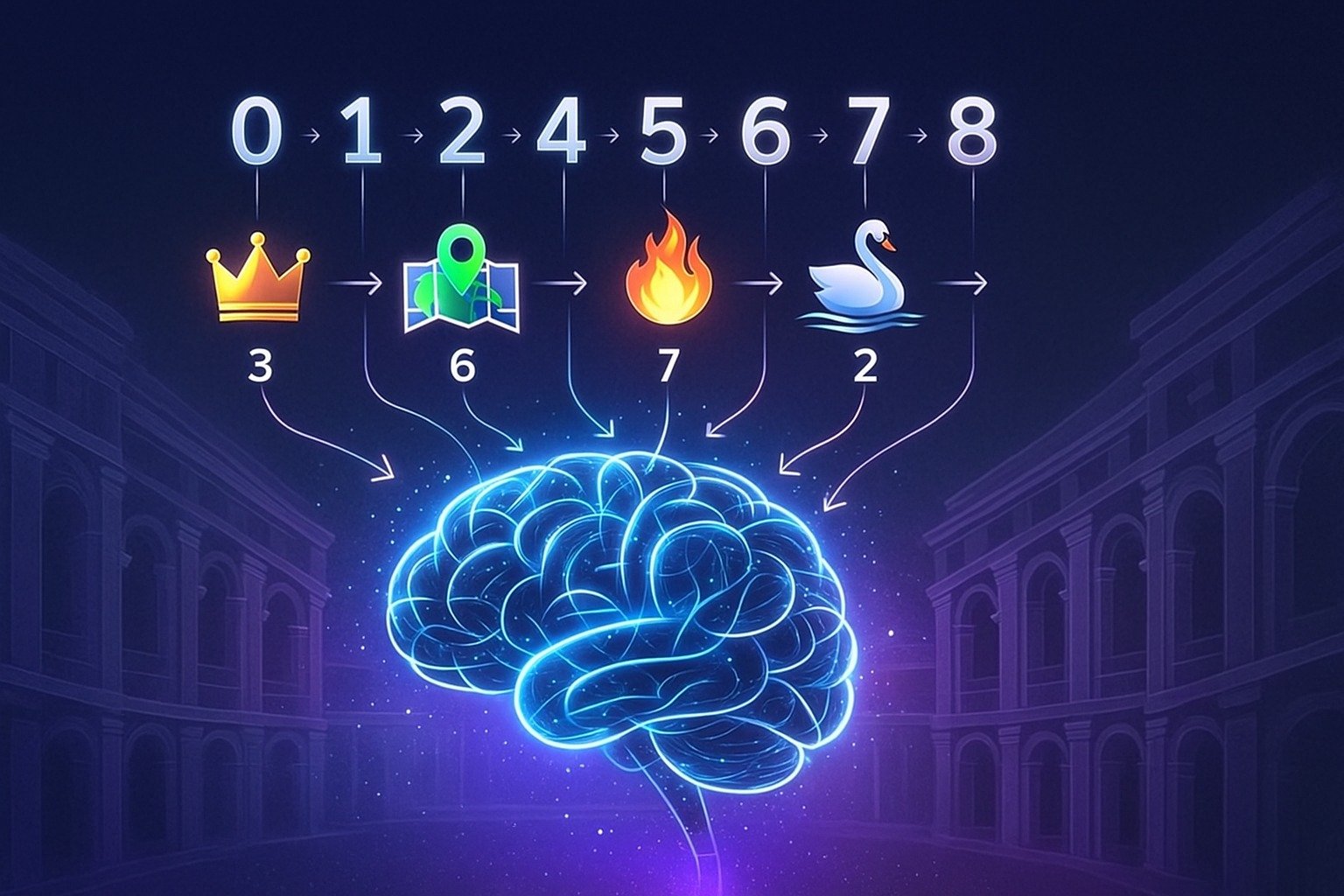
“Illustration of number memory techniques showing digits transforming into images and entering a memory palace with neon-blue neural pathways, flat-vector style.”

Numbers are hard to remember because digits have no meaning—but with the right number memory techniques, anyone can memorize long sequences easily. This guide breaks down the Major System, PAO, Memory Palace, chunking, and visualization into fast, practical steps you can use today.

Chimp Test vs Visual Memory: What It Really Proves

"Neural network abstract graphic representing visual memory processing, used as a featured image for a chimp test vs visual memory comparison."

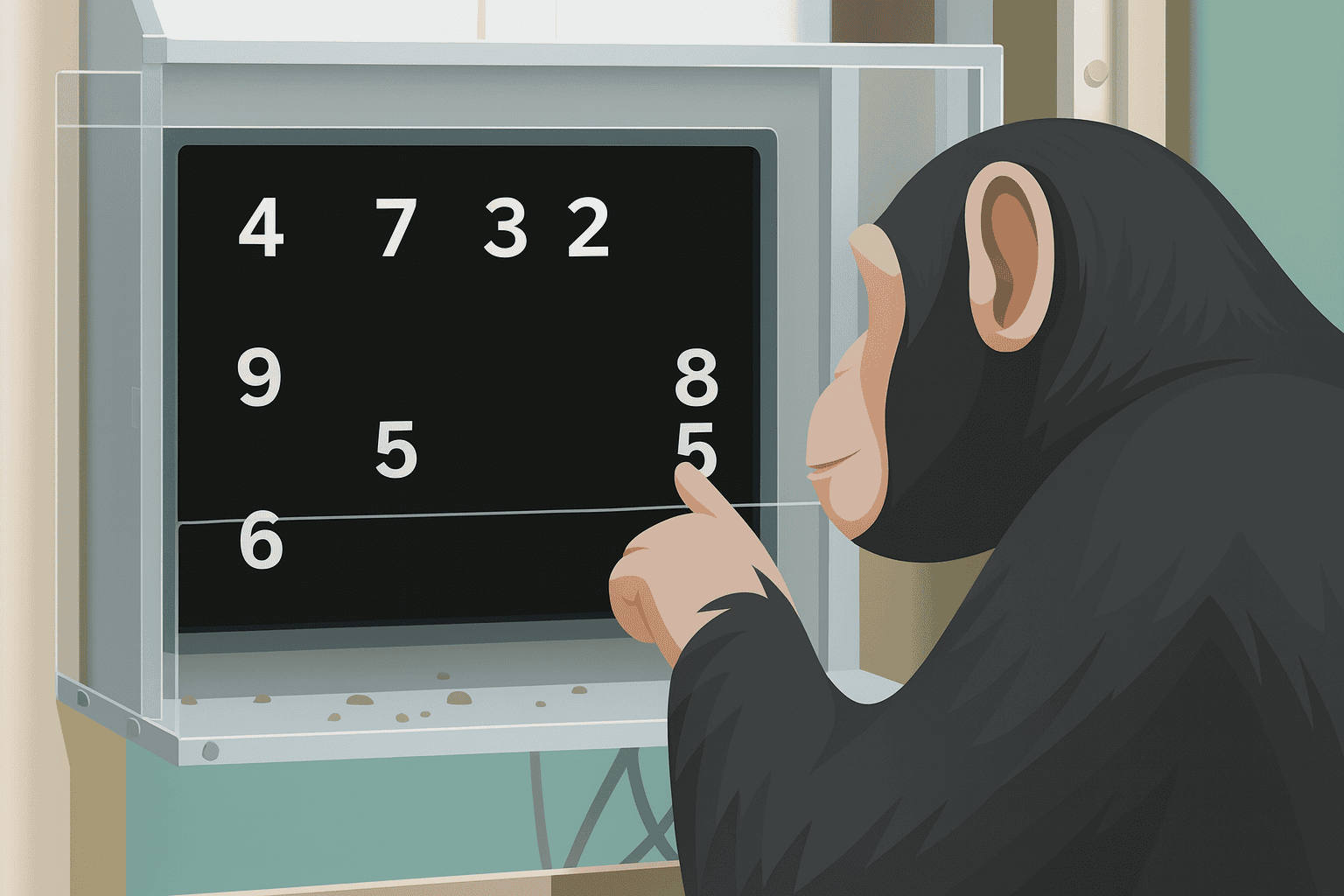
Chimpanzees outperform humans in the viral chimp test, a fast visual-sequence memory task—but this doesn’t mean they have better overall memory. This article explains the real difference between the chimp test and human visual memory, comparing visual working memory, pattern recall, retention, and what each species is actually specialized for.

Pattern Recognition for Adults: Best Games, Puzzles & Cognitive Activities

"Close-up of an adult practicing high-focus pattern recognition skills, highlighting attention, mental clarity, and cognitive processing."

Pattern recognition activities for adults include visual pattern grids, logic puzzles, number series patterns, sequence prediction tasks, strategy games like chess and Sudoku, and real-life pattern spotting in habits, routines, and problem-solving situations.

Reaction Time vs Reflex Time: Key Differences, Speed & Examples

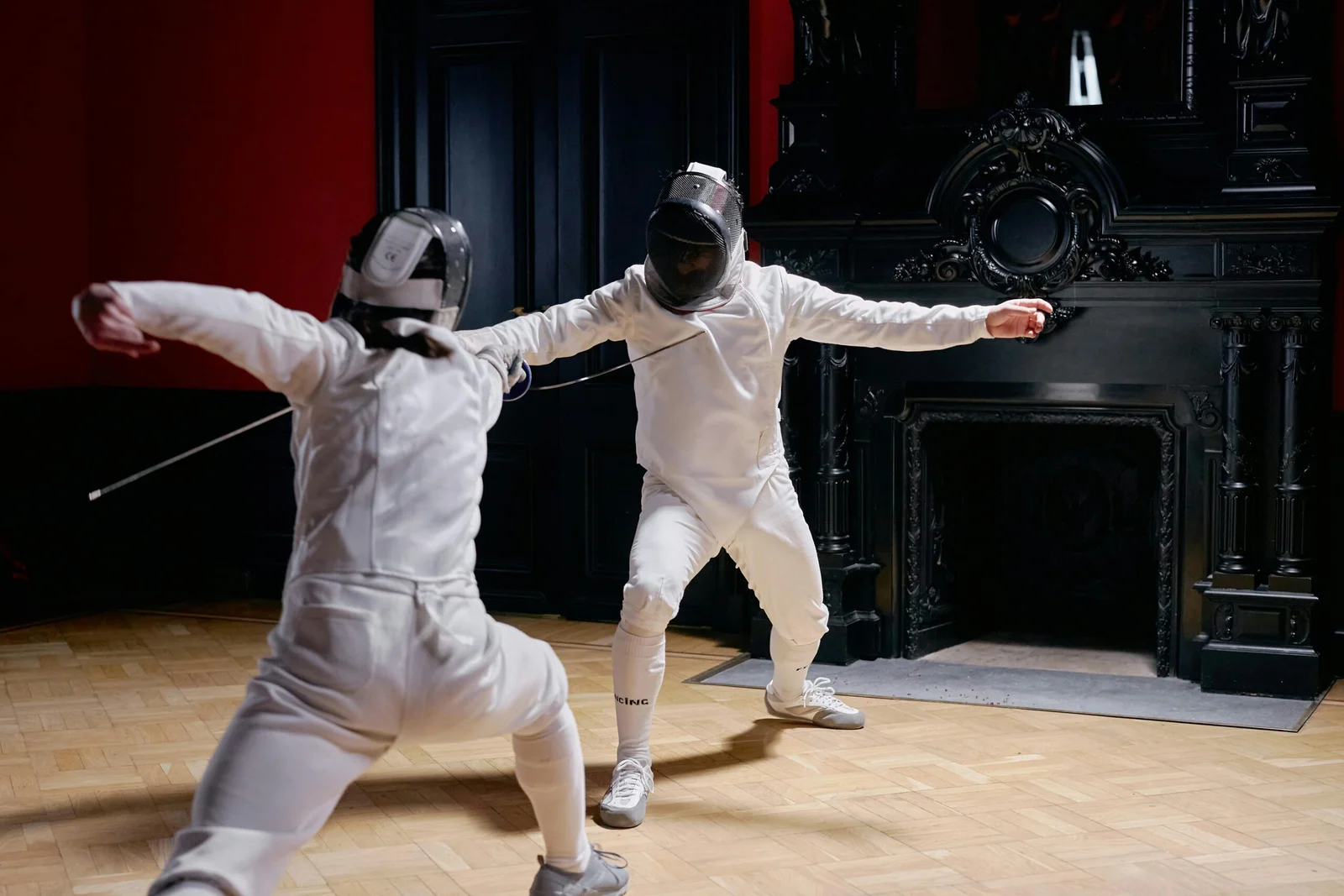
Two fencers reacting to each other’s movements during a duel, demonstrating voluntary reaction timing that requires perception, decision-making, and controlled motor response.

This guide explains reaction time vs reflex time in simple scientific terms. Learn how the brain processes voluntary reactions and how reflexes use the spinal cord to produce instant, automatic responses. Includes examples, diagrams, neural pathways, and real-world comparisons.

Why We Forget Words

Forgetting words is normal and happens due to stress, fatigue, interference, and temporary retrieval failures in the brain. This guide explains the science behind word-finding problems and offers proven methods to improve vocabulary recall.

Pattern Memory vs Visual Memory

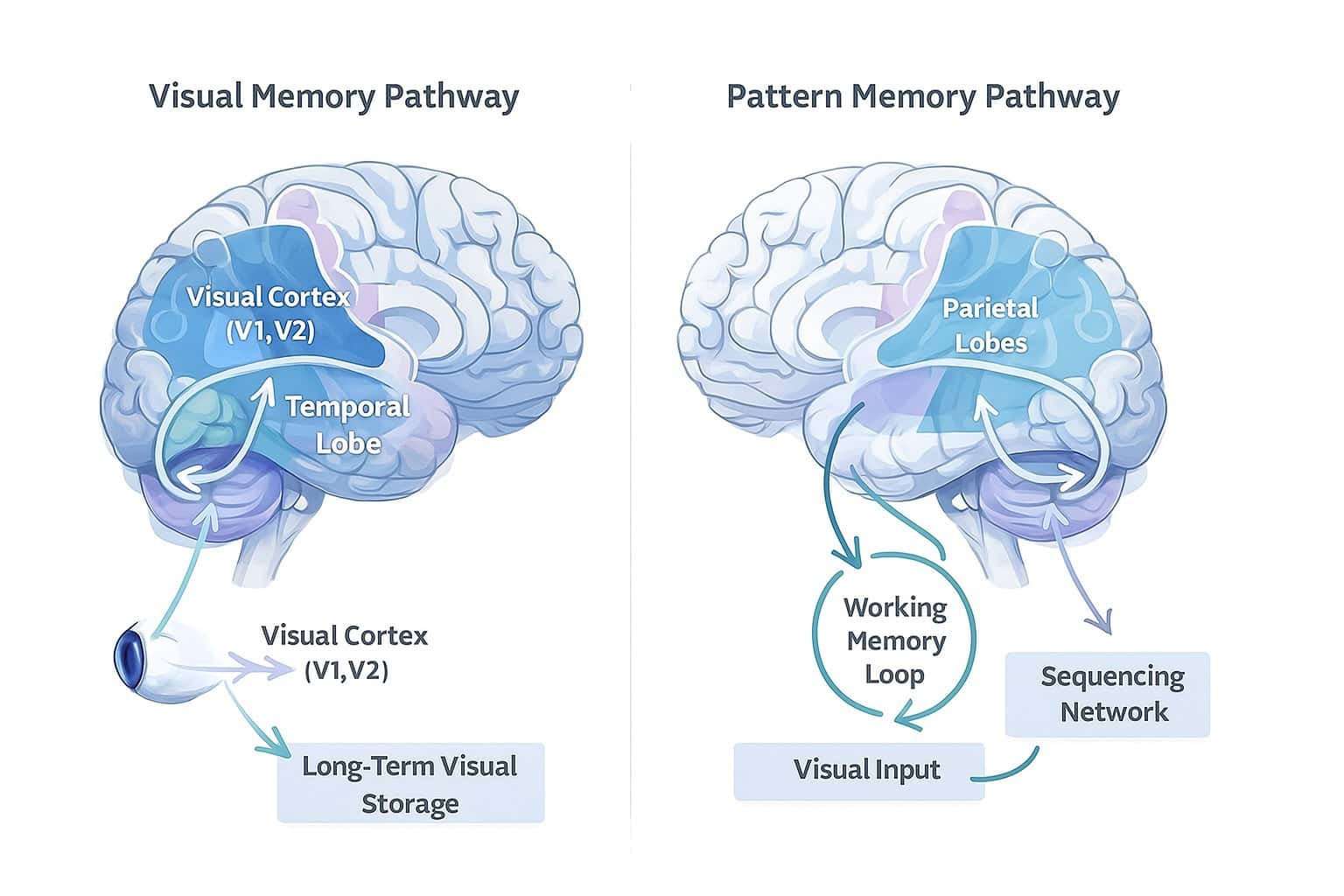
Minimal neuroscience illustration comparing pattern memory vs visual memory with visual cortex and parietal lobe regions labeled.

Pattern memory and visual memory work differently in the brain—one stores sequences and structure, while the other recalls images, colors, and scenes. This guide explains both systems in a simple, science-based way with examples, tests, and real-life uses to help you understand how each memory type functions.

Fastest Reaction Time Ever Recorded

The fastest human reaction time ever recorded is approximately 101 milliseconds, measured in a controlled scientific study. This article breaks down the real-world records, the biological limits of human reflex speed, how elite athletes and gamers compare, and why humans cannot react faster than ~100 ms without artificial assistance.