Simple vs Choice Reaction Time

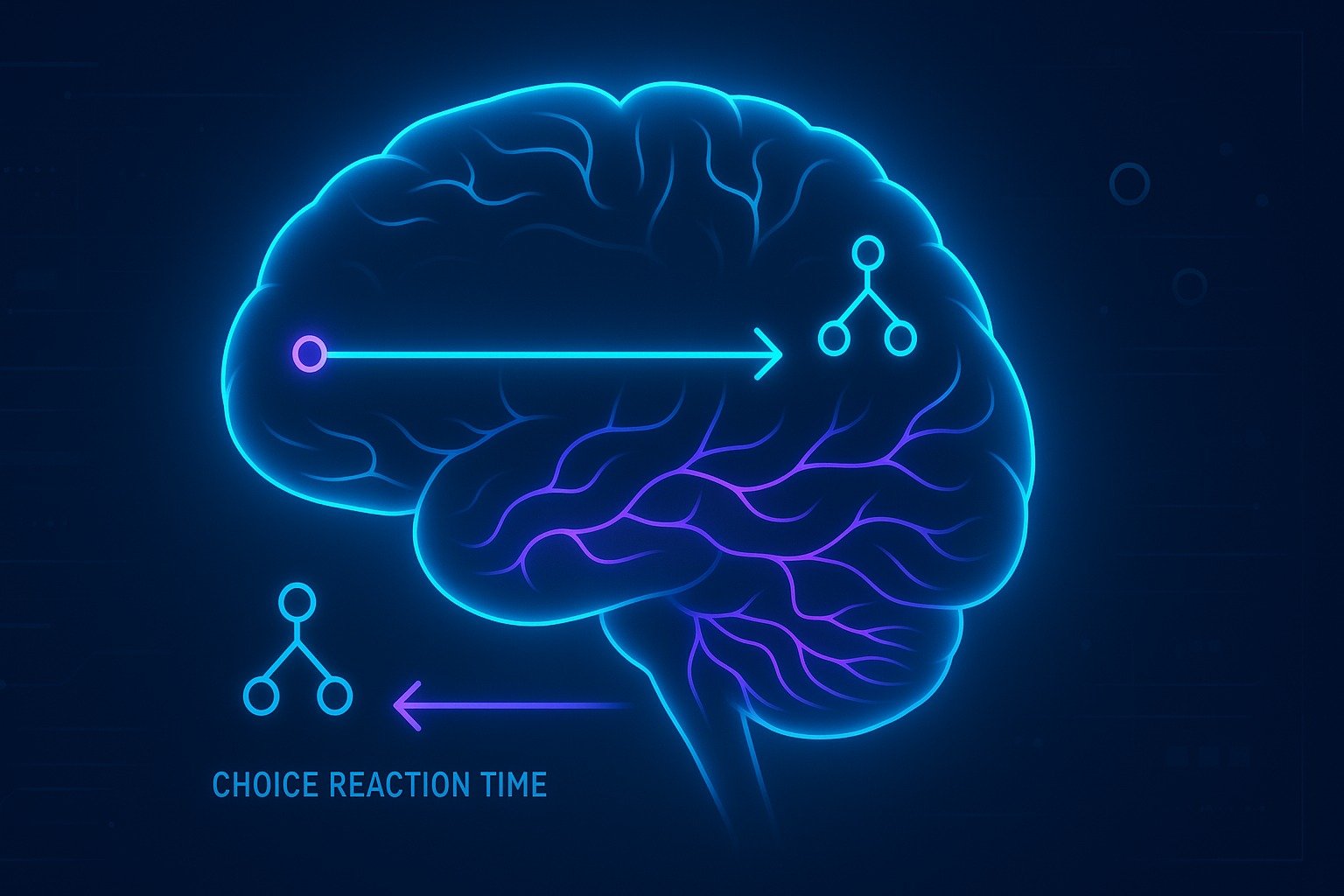
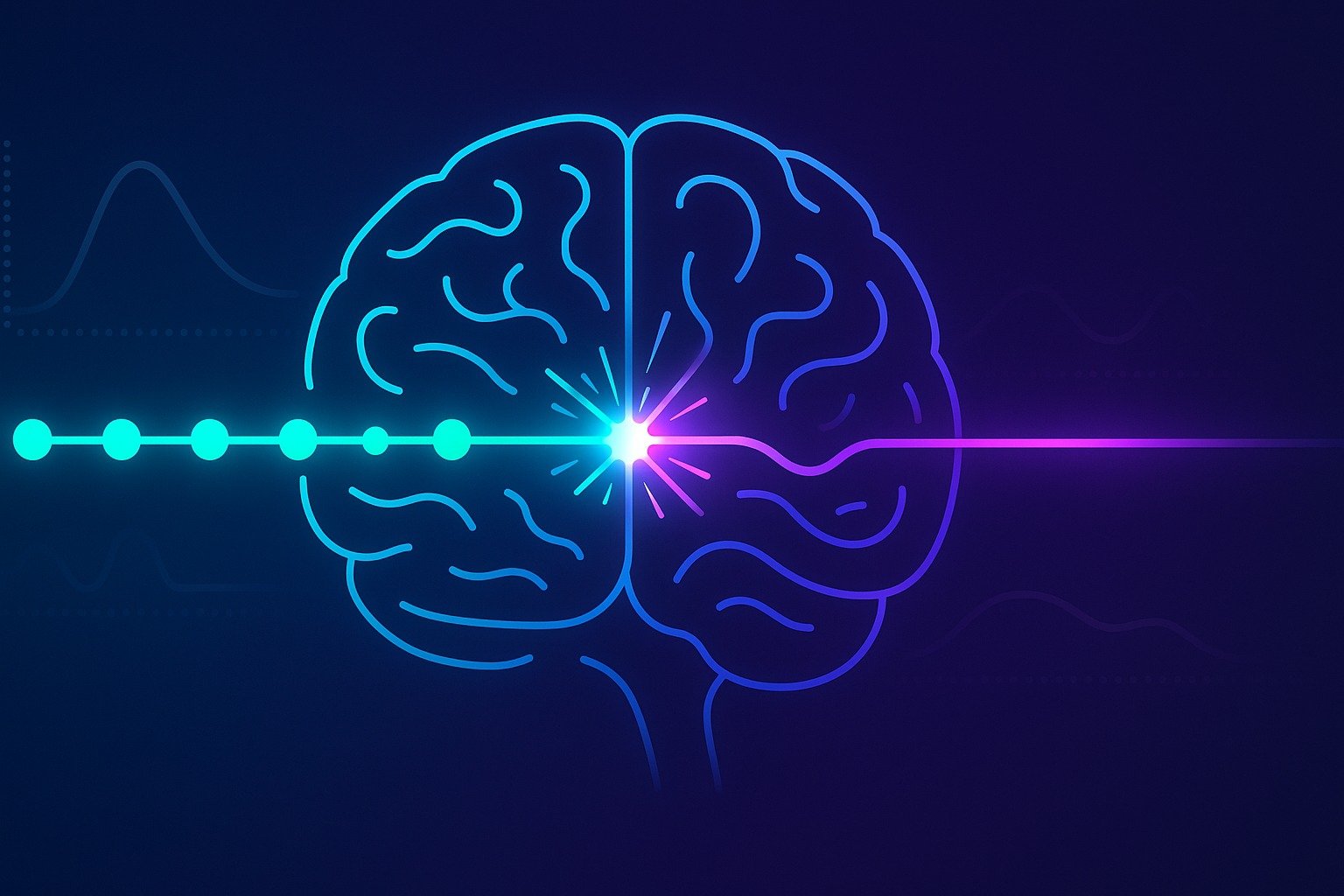
“Glowing brain diagram showing a straight neural pathway representing simple reaction time and a branching decision pathway illustrating choice reaction time, with neon blue and purple neural lines.”

Simple reaction time vs. choice reaction time explained through clear examples, neuroscience, and real-life applications. Learn how SRT reflects pure sensory-motor speed, while CRT measures decision-making under pressure. Includes diagrams, Hick’s Law, reaction time tests, and science-backed strategies to improve both cognitive speed and accuracy.

Why My Reaction Time Feels Delayed When Gaming | Complete Expert Guide

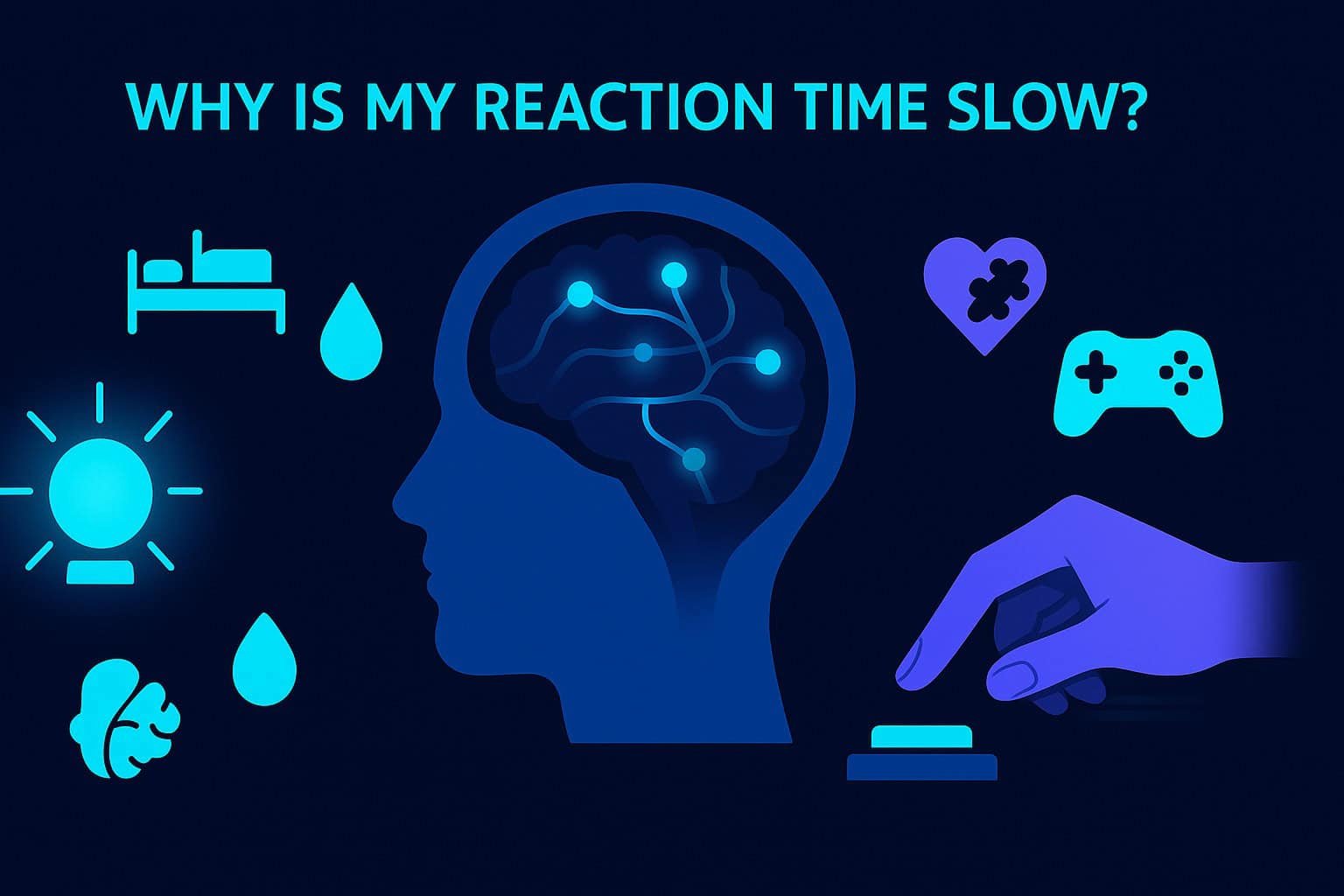
“Vector illustration of a gamer experiencing delayed reaction time, showing a human head silhouette with glowing neural pathways, a gaming monitor displaying blurred motion, and a technical input-lag chain representing hardware and cognitive delay.”

Many gamers experience moments when their reactions feel slow, delayed, or inconsistent—even when their reflexes are normally sharp. This complete guide explains why reaction time can feel delayed during gaming, even if your actual speed is unchanged. It covers the full spectrum of causes, including hardware latency, display response issues, input lag, frame-rate fluctuations, visual overload, attention bottlenecks, emotional stress, eye fatigue, and gameplay prediction errors.

Fastest Reaction Time Ever Recorded

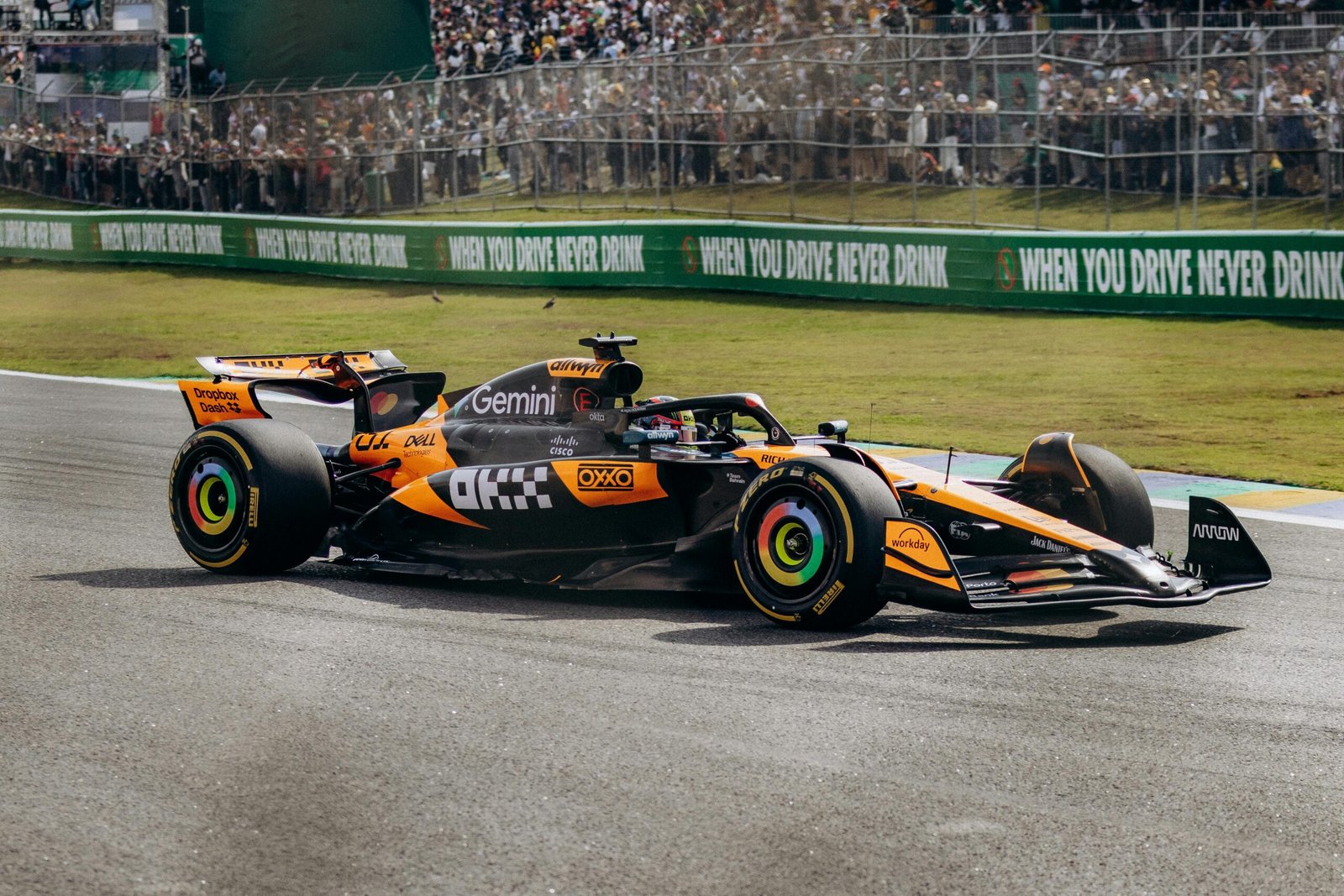
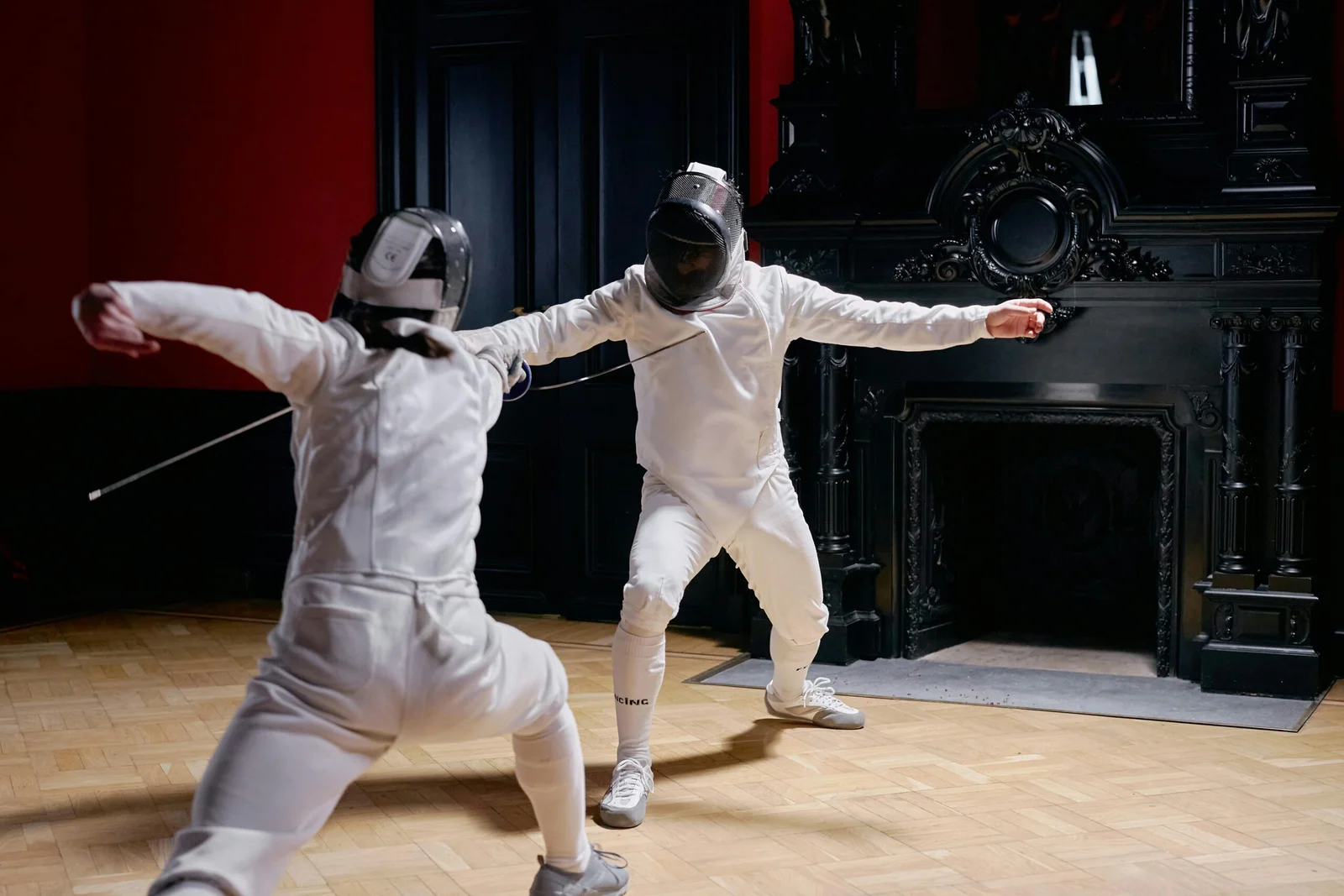
The fastest human reaction time ever recorded is approximately 101 milliseconds, measured in a controlled scientific study. This article breaks down the real-world records, the biological limits of human reflex speed, how elite athletes and gamers compare, and why humans cannot react faster than ~100 ms without artificial assistance.