

Does Multitasking Ruin Reaction Time?
Short and Quick Answer:
Yes! Multitasking significantly slows reaction time because the brain must switch tasks, overloading the prefrontal cortex, creating attention residue, and interrupting working-memory processing—making responses slower and less accurate.
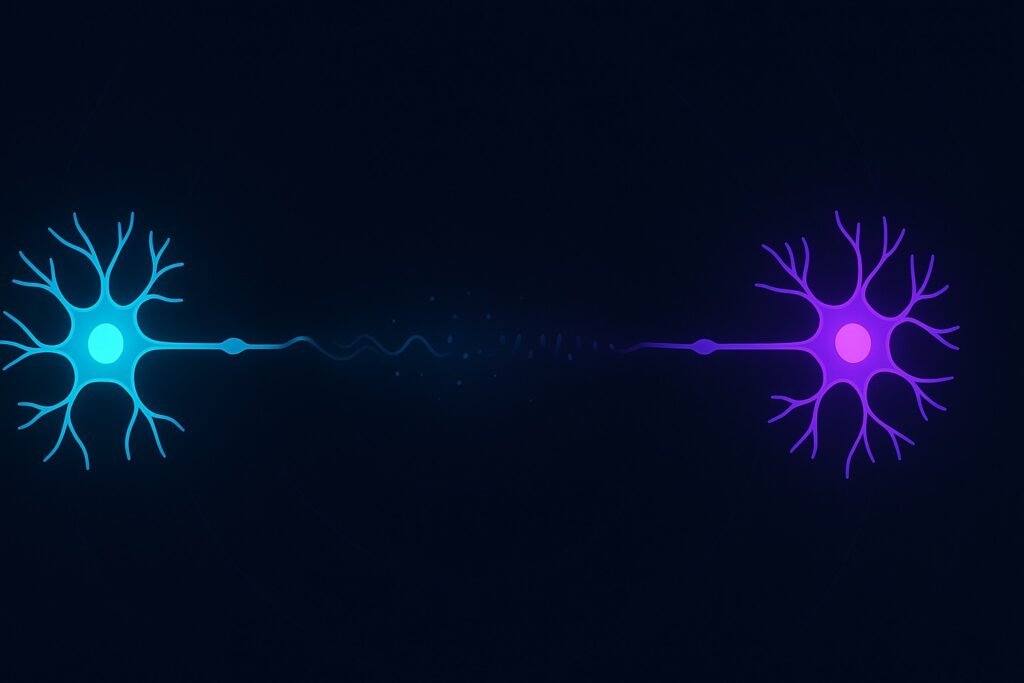
2. The Brain Science Behind Reaction Time
The Neural Timeline of Reaction Time
1. Sensory Encoding (0-50 ms)
Visual or auditory information enters the sensory cortex, where the brain identifies the stimulus.
2. Prefrontal Cortex Decision Gate (50-200 ms)
The PFC evaluates the stimulus and chooses an action. This is the part that gets overloaded by multitasking.
3. Motor Cortex Output (200-300 ms)
Motor planning regions activate and prepare the physical response.
4. Movement Execution (300+ ms)
Signals travel down the spinal cord to muscles, producing the reaction (e.g., braking, pressing a button).
Every additional cognitive task interrupts one or more of these neural steps, creating measurable delays.
3. Why Multitasking Ruins Reaction Time
1. Task-Switching Cost (150–350 ms delay)
The brain cannot perform two executive tasks at once. It toggles between them—each switch requiring milliseconds of “reset time” that add up quickly.
2. Central Bottleneck Theory
Only one decision can be held in the prefrontal cortex at a time. When two tasks compete, one waits in a neural queue, slowing responses.
3. Attention Residue
Part of your attention “sticks” to the previous task even after switching. Studies show 20–40% of cognitive capacity lingers, reducing focus.
4. Attentional Blink (500 ms blind spot)
After processing one stimulus, the brain becomes temporarily “blind” to the next one. This is why rapid stimuli seem invisible or delayed.
5. Working-Memory Overload
Working memory can only hold 3–4 meaningful items at once. Multitasking floods it, causing delays and errors.
5. Experimental Evidence: What Studies Show
Single-Tasking
Vs
Multitasking
| Study | Condition | Reaction Time Increase | Key Finding |
|---|---|---|---|
| Kaur et al., NIH | Dual-task vs. single-task | 200-350 ms slower | Both genders showed significant slowing under dual-task conditions |
| JOSAM Experiment | Watching TV while reacting | RT significantly delayed | Visual distraction creates measurable response delays |
| Stroop Task Studies | Conflicting signals (e.g., “Red” in blue) | +120–250 ms | Competing cognitive tasks produce consistent delay patterns |
| Driving Simulation | Phone use vs. No phone | +0.5–1 second | Braking delay equals 16+ meters at 60 km/h |
| Cognitive Load Trials | Harder simultaneous tasks | Exponential delay increase | Each additional task compounds reaction time slowing |

7. Real-World Consequences of Slower Reaction Time
1 sec
40%
16 m
250 ms
Critical Implications:
- Driving Safety: Multitasking behind the wheel can delay braking by nearly one full second. At 60 km/h, this equals 16+ meters of unnecessary travel—often the difference between a safe stop and a collision.
- Sports Performance: Elite athletes show slower start responses, mistimed moves, missed cues, and reduced accuracy when attention is split between cognitive tasks and physical performance.
- Workplace Safety: Industries like aviation, medicine, manufacturing, and security explicitly warn against multitasking due to delayed reaction times leading to missed alarms, slow medical responses, and poorly timed decisions.
9. How to Improve Reaction Time
Single-Tasking Focus
Focus on one task at a time—immediate reaction speed improvement. Use techniques like time-blocking to allocate specific periods for specific tasks.
Benefit: Reduces task-switching costs by 150-350 ms per switch
Task Batching
Group similar tasks to reduce cognitive switching. Process all emails at once, then switch to creative work, then to administrative tasks.
Benefit: Minimizes prefrontal cortex reset requirements
Reduce Switch Frequency
Turn off notifications, and remove stimuli that force attention shifts. Create “focus zones” free from digital interruptions.
Benefit: Decreases attentional blink occurrences
Mindfulness Training
Regular mindfulness practice improves attention stability and reduces cognitive leakage between tasks.
Benefit: Reduces attention residue by 20-40%
Reaction Time Training
Use targeted exercises like the MemoryRush Reaction Time Test to improve baseline neural processing speed.
Benefit: Strengthens neural pathways for faster responses
Environmental Control
Limit distractions to reduce working-memory load. Create dedicated workspaces optimized for focused attention.
Benefit: Prevents working memory overload
10. Frequently Asked Questions
Does multitasking ruin reaction time?
Yes, definitively. Multitasking slows response speed by creating cognitive bottlenecks and forcing the brain to switch tasks instead of performing them simultaneously. Neuroscience research consistently shows:
- Task-switching adds 150-350 ms delay per switch
- Working memory overload causes information loss
- Attention residue reduces cognitive capacity by 20-40%
- Attentional blink creates 500 ms blind spots for rapid stimuli
These effects compound, meaning the more you multitask, the slower your reactions become across all tasks.
Why does switching tasks make me slow?
Task switching creates neural delays through several mechanisms:
- Prefrontal Cortex Reset: The brain’s executive control center must reconfigure neural networks for each new task
- Goal Shifting: Switching mental objectives requires cognitive effort and time
- Rule Activation: Different tasks follow different “rules” that must be loaded into working memory
- Attentional Reallocation: Focus must be withdrawn from one task and applied to another
This complex neural process explains why even simple task switches create measurable reaction time delays. The brain isn’t designed for rapid context switching—it evolved for sustained focus on single survival-relevant tasks.
Does multitasking damage the brain?
While multitasking doesn’t cause structural brain damage, it does have measurable negative effects on brain function:
- Reduced Gray Matter Density: Chronic multitaskers show decreased gray matter in anterior cingulate cortex regions involved in empathy and emotional control
- Impaired Memory Formation: Divided attention disrupts hippocampal encoding of new memories
- Increased Stress Response: Multitasking elevates cortisol and adrenaline levels, contributing to cognitive fatigue
- Weakened Attention Control: Regular multitasking reduces the brain’s ability to filter irrelevant information
- Habit Formation: The brain adapts to frequent task-switching, making it harder to sustain focus even when desired
The good news is these effects are reversible through focused attention training and reduced multitasking habits.
Why can chimps remember numbers faster than humans?
Chimpanzees outperform humans in rapid visual memory tasks due to evolutionary differences in cognitive architecture:
- Superior Iconic Memory: Chimps retain visual snapshots longer (300-500 ms vs. human 200-300 ms)
- Reduced Cognitive Interference: Less internal dialogue and abstract thinking means fewer competing cognitive processes
- Parallel Processing Advantage: More efficient simultaneous processing of visual elements
- Evolutionary Specialization: Visual memory was crucial for arboreal navigation and predator detection
- Minimal Attentional Blink: Shorter or absent “blind spots” between rapid visual stimuli
These advantages become particularly apparent under time pressure, where human multitasking tendencies and cognitive complexity create bottlenecks that chimps avoid.
Is it better to focus on one task?
For reaction time, accuracy, and quality—absolutely. Single-tasking provides multiple cognitive advantages:
- Faster Reactions: Eliminates 150-350 ms task-switching delays
- Higher Accuracy: Reduces error rates by 30-50%
- Deeper Processing: Allows more complex problem-solving and creative thinking
- Reduced Cognitive Load: Prevents working memory overload
- Better Memory Encoding: Improves retention and recall of information
- Lower Stress Levels: Decreases cortisol production and cognitive fatigue
While some low-cognitive-load tasks can be combined (like walking while talking), any task requiring executive control, decision-making, or rapid responses benefits tremendously from undivided attention.
Does multitasking affect driving reaction time?
Dramatically. Research shows phone use while driving—even hands-free—delays braking reaction time by 0.5 to 1.0 seconds. This creates dangerous real-world consequences:
- At 60 km/h: 1-second delay = 16.7 meters of extra stopping distance
- Crash Risk: Increases 4x when using a phone
- Visual Field Reduction: “Tunnel vision” reduces peripheral awareness by 50%
- Missed Signals: 40% increase in missed traffic signals and signs
- Speed Maintenance: Difficulty maintaining consistent speed and lane position
Importantly, hands-free devices offer no safety advantage—the cognitive bottleneck is in the brain, not the hands. The conversation itself creates the distraction and delayed reactions.
11. Scientific References & Further Reading
Explore these authoritative studies and resources for deeper understanding:
- Kaur M. et al., “Effect of Dual Task Activity on Reaction Time”—NIH Study—Comprehensive analysis of dual-task interference on reaction time across genders and age groups
- Pashler, H., “Dual-Task Interference in Simple Tasks”—Psychological Review—Foundational research on central bottleneck theory and task-switching costs
- Raymond et al., “Attentional Blink: A Review of Data and Theory”—NIH Review—Comprehensive analysis of the 500 ms attentional blind spot phenomenon
- American Psychological Society: Hands-Free Distracted Driving Research—Evidence that cognitive distraction, not manual distraction, creates driving hazards
- Cowan, N., “Working Memory “Capacity”—Frontiers in Neuroscience—Research on the 3-4 item limit of working memory and multitasking overload
- Chimpanzee vs Human Memory Studies—Current”Capacity”—Frontiers Biology—Comparative research on iconic memory differences between species
Explore Reaction Time Science
Understand the cognitive and neurological processes behind response speed through research-based educational content.
Reaction Time Basics
Learn about the fundamental concepts of response speed and cognitive processing time.
Performance Insights
Explore research on reaction time capabilities, limits, and factors affecting performance.
Real-World Applications
Discover how reaction time research applies to sports, daily activities, and cognitive tasks.
Cognitive Processing
Educational content about the brain mechanisms and factors influencing response speed.
Educational Content Notice: This material is designed for learning about cognitive processes through research-based exploration. Reaction times vary naturally and are influenced by numerous factors including attention, fatigue, and individual differences.
Explore All Reaction Time Content →
Touheed Ali
Touheed Ali is the founder and editor of MemoryRush, an educational cognitive science platform. He builds and maintains interactive tools focused on memory, attention, and reaction time.
His work centers on translating established cognitive science concepts into clear, accessible learning experiences, with an emphasis on transparency and responsible design.
MemoryRush
Educational Cognitive Science Platform • Memory • Attention • Reaction Time
Educational Use Only
MemoryRush is created for learning and self-exploration and does not provide medical, psychological, or clinical evaluation.
1 thought on “Does Multitasking Ruin Reaction Time?”
Comments are closed.