Reaction Time in Sports
Quick Answer:
Reaction time in sports is the speed at which an athlete detects a stimulus—like a ball, opponent, light, or sound—and produces a physical response. In fast-paced environments such as tennis, soccer, boxing, table tennis, and motorsports, even a 50–80 millisecond difference can determine whether a player wins or loses.
This article breaks down the science behind reaction time, how it influences athletic performance, and what athletes can do to improve it using evidence-based methods.
To make this guide practical, you can also test your own reaction speed using MemoryRush’s free reaction time tools, compare your performance with athlete benchmarks, and learn drills that sharpen both cognitive and physical response speed.
What Is Reaction Time in Sports?
Scientific Definition
Reaction time is the interval between a stimulus and the athlete’s voluntary response. In sports, the stimulus may be:
- A visual cue → ball movement, opponent motion, referee signal
- An auditory cue → starting gun, whistle, callout
- A tactile cue is physical contact or vibration
This process involves sensory detection, brain interpretation, decision-making, and motor execution.
Reaction Time Pathway (Eye → Brain → Muscle)
Every reaction follows a predictable neural pathway:
- Stimulus detection (retina/ears/skin)
- Signal transmission to the thalamus & sensory cortex
- Processing & decision-making in motor and prefrontal regions
- Motor command sent through the spinal cord
- Muscle activation
This chain takes anywhere from 120 to 300 milliseconds, depending on complexity, attention, and athlete skill.
Reaction Time vs Reflex
Reflexes are involuntary spinal responses (e.g., pulling your hand from heat). Reaction time is voluntary, meaning:
- The brain is involved
- The athlete chooses an action
- Decision-making slows it down
Sports performance depends on reaction, not reflex.
Types of Reaction Time in Sports
Simple Reaction Time
One signal → one action. Examples:
- Sprinter reacting to a starting gun
- Swimmer diving after the whistle
Average simple reaction times:
- Auditory: 150–180 ms
- Visual: 200–250 ms
Choice Reaction Time
Multiple stimuli → multiple possible responses. Examples:
- Tennis player deciding forehand/backhand
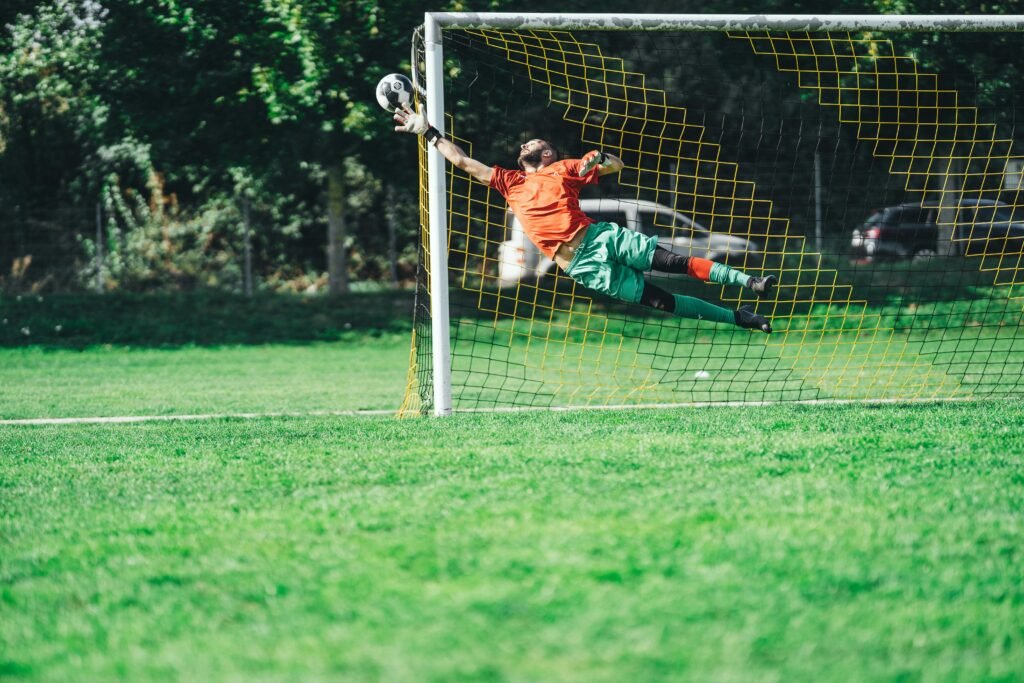
- Goalkeeper choosing left/right/save/deflect
- Boxer selecting punch, slip, or block
This is the most important type in competitive sports because athletes face unpredictable situations.
Discrimination / Go-No-Go Reaction Time
The athlete must respond to one signal and ignore the rest. Examples:
- Baseball batter swinging only at strikes
- A basketball defender reacting only to a real drive
- Table tennis player ignoring feints
Why Choice Reaction Time Dominates Modern Sports
Games today feature:
- Faster ball speeds
- Shorter decision-making windows
- More deceptive opponents
- High-pressure cognitive load
Top athletes excel not just because of physical speed, but because they make decisions faster and more accurately.
Real Examples of Reaction Time in Popular Sports
| Sport | Reaction Time Window | Key Challenge |
|---|---|---|
| Soccer | 200–300 ms | Goalkeepers reacting to shots at 80–120 km/h |
| Tennis | 350–450 ms | Responding to 130 mph serves |
| Boxing & MMA | 150–200 ms | Counterpunch windows and defensive movements |
| Table Tennis | 120–180 ms | Fastest visual reaction among non-motor sports |
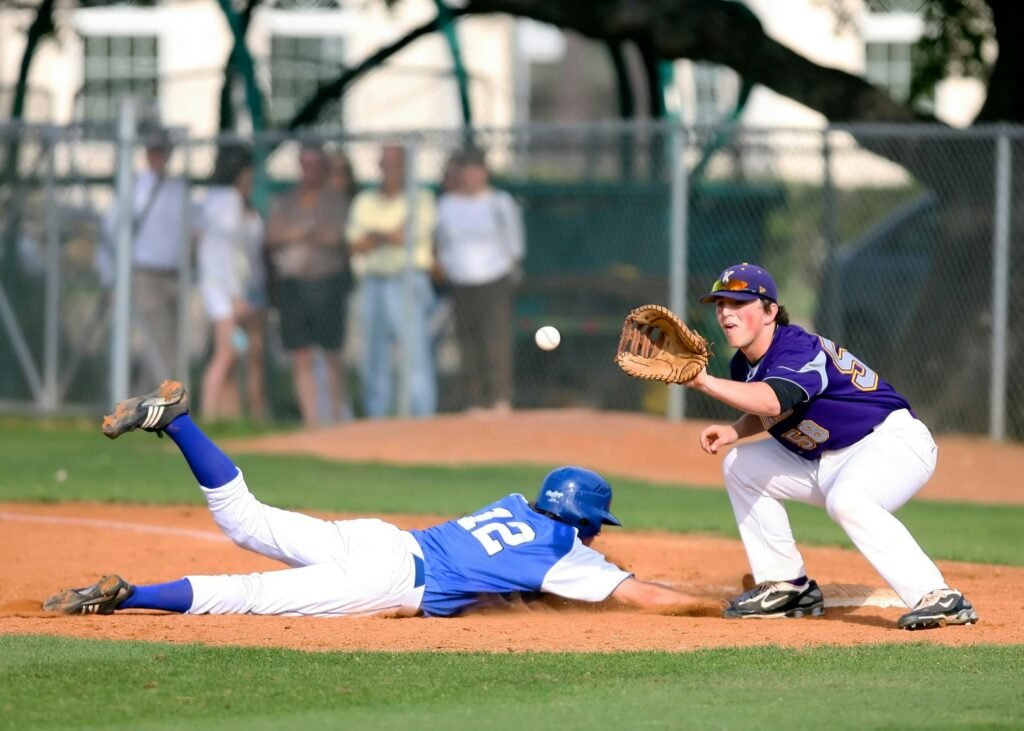
| Baseball | 150–200 ms | Identifying pitch type and deciding to swing |
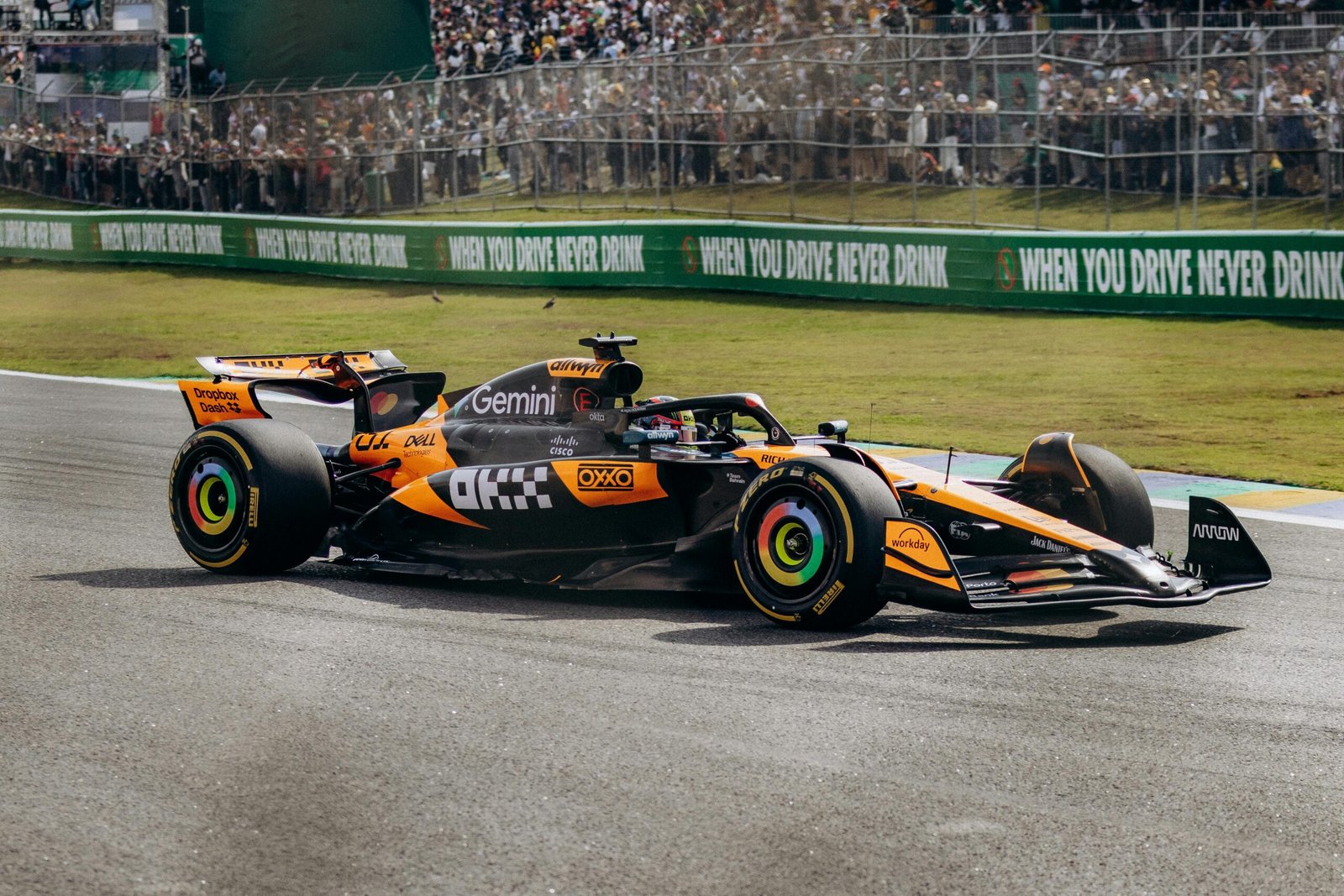
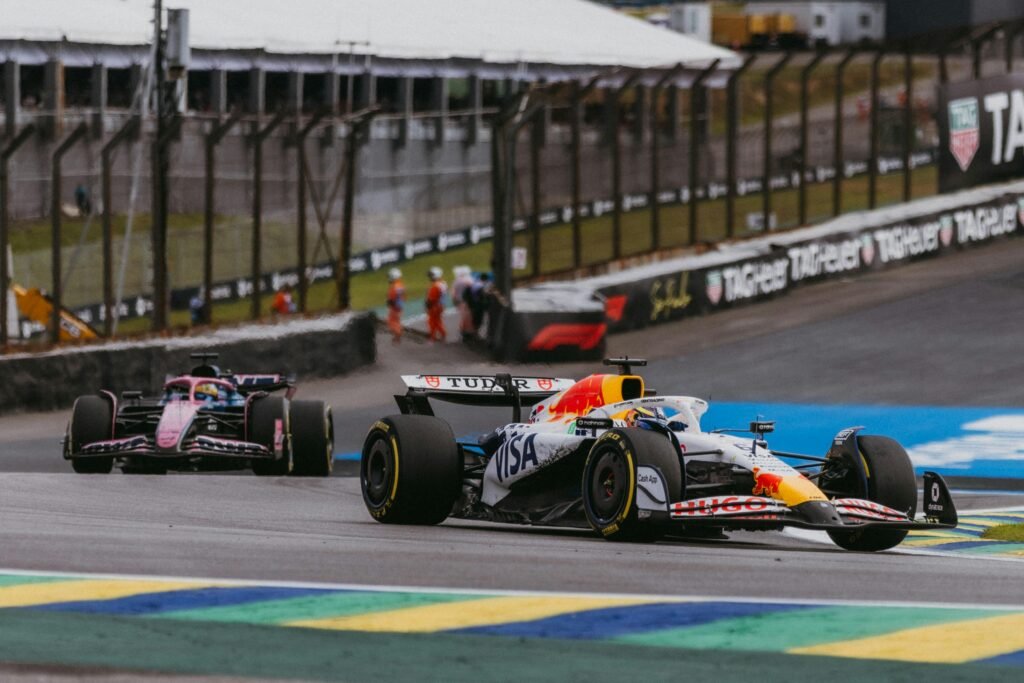
| Motorsports | 120–160 ms | Responding to lights and hazards at high speeds |
Test Your Reaction Time
Measure your current reaction speed with our scientifically designed tests and compare your results with athlete benchmarks.
Factors That Affect Reaction Time
Vision
Better visual performance = faster reactions. Influencing variables:
- Contrast sensitivity
- Tracking ability
- Depth perception
- Peripheral vision
Sleep & Fatigue
Lack of sleep reduces:
- Cognitive processing speed
- Attention
- Decision accuracy
Even one bad night can slow RT by 20–40 ms.
Age & Neural Processing
After age 24–26, reaction time decreases slightly each decade—but training slows the decline significantly.
Frequently Asked Questions
What sport requires the fastest reaction time?
Table tennis and motorsports require the fastest measured reaction speeds, with elite players responding in 120-180 milliseconds.
Is 200 ms a good reaction time?
Yes—200 ms is considered strong for adults and near-athlete level. Elite athletes typically range between 120 and 180 ms for visual reactions.
How do athletes train reaction time?
Athletes use light reaction drills, vision training, cognitive exercises, anticipation practice, and neuromuscular speed training to improve reaction times.
Can reaction time be improved at any age?
Yes, while reaction time naturally declines with age, consistent training can significantly improve and maintain faster responses throughout life.
Does nutrition affect reaction time?
Absolutely. Proper hydration, balanced blood sugar, and key nutrients like omega-3s and B vitamins support optimal neural function and faster reactions.
How much can reaction time improve with training?
Most people can improve their reaction time by 15-25% with consistent training over 4-8 weeks, combining cognitive and physical exercises.
Is reaction time genetic?
Genetics play a role in baseline reaction time, but training and lifestyle factors have a much larger impact on performance and improvement potential.
Explore More Brain Training Content
Discover additional resources and articles to enhance your cognitive performance:
References & Further Reading
This article draws from scientific research and reputable sources:
- Journal of Sports Sciences—Reaction Time and Decision Making in Elite Athletes
- Frontiers in Psychology—Cognitive Training for Athletic Performance
- Human Kinetics Journal—Visual Perception in Sports
- National Institutes of Health—Neural Basis of Reaction Time
- Sports Medicine Journal—Training Methods for Reaction Time Improvement

Touheed Ali
Touheed Ali is the founder and editor of MemoryRush, an educational cognitive science platform. He builds and maintains interactive tools focused on memory, attention, and reaction time.
His work centers on translating established cognitive science concepts into clear, accessible learning experiences, with an emphasis on transparency and responsible design.
MemoryRush
Educational Cognitive Science Platform • Memory • Attention • Reaction Time
Educational Use Only
MemoryRush is created for learning and self-exploration and does not provide medical, psychological, or clinical evaluation.
1 thought on “Reaction Time in Sports: Definition, Examples & How Athletes Improve It”
Comments are closed.