
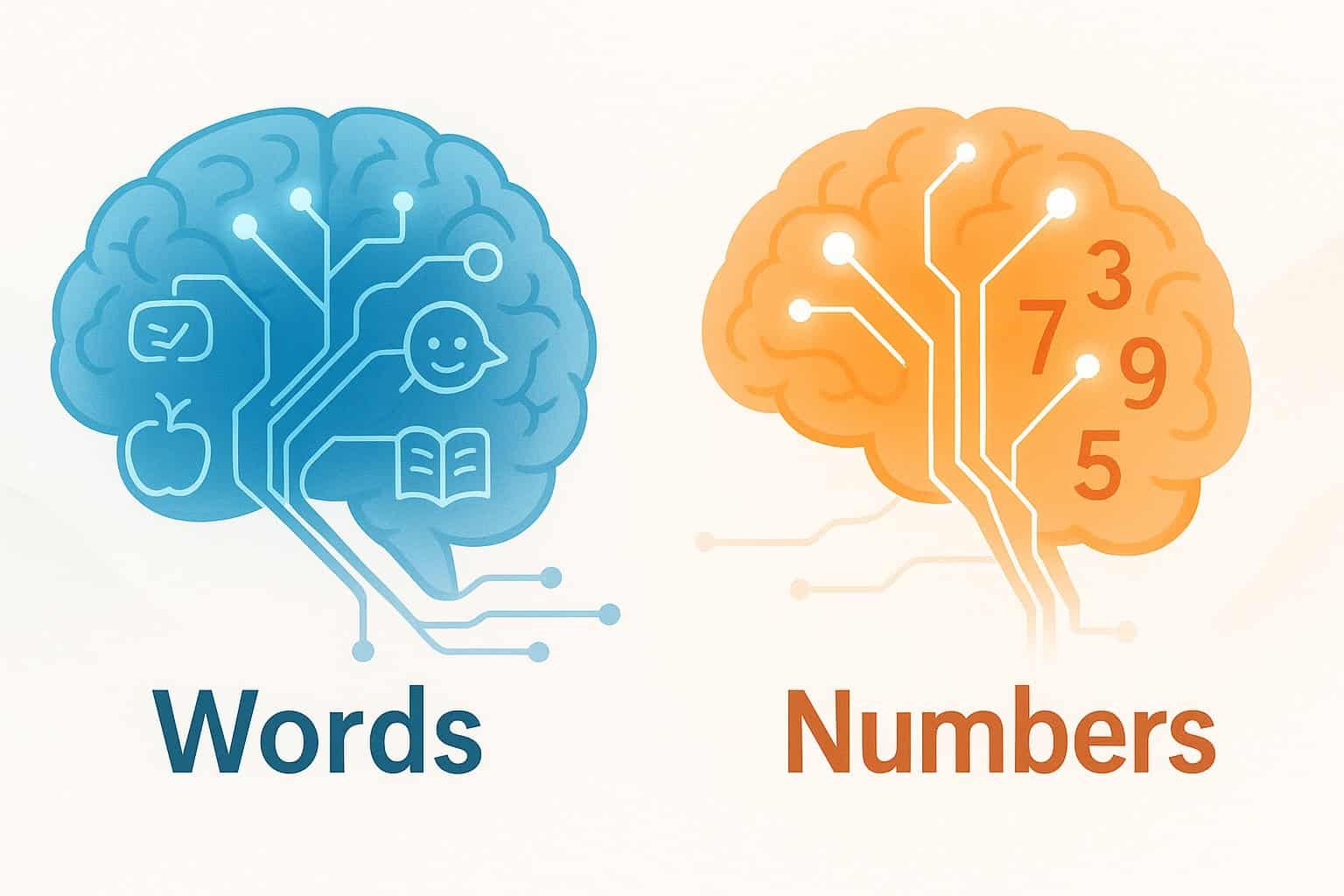
Why Numbers Are Harder to Remember Than Words
Quick Answer:
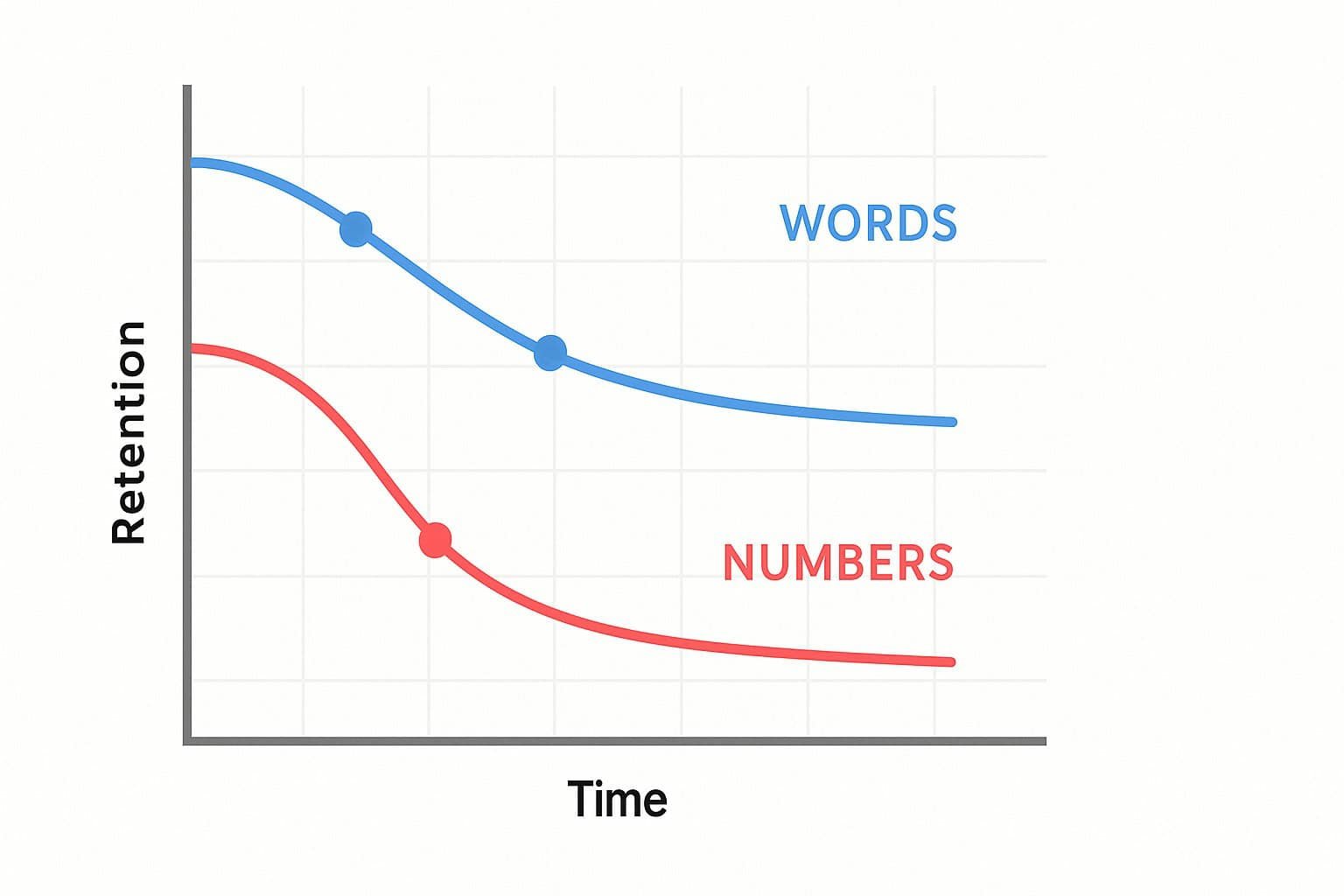
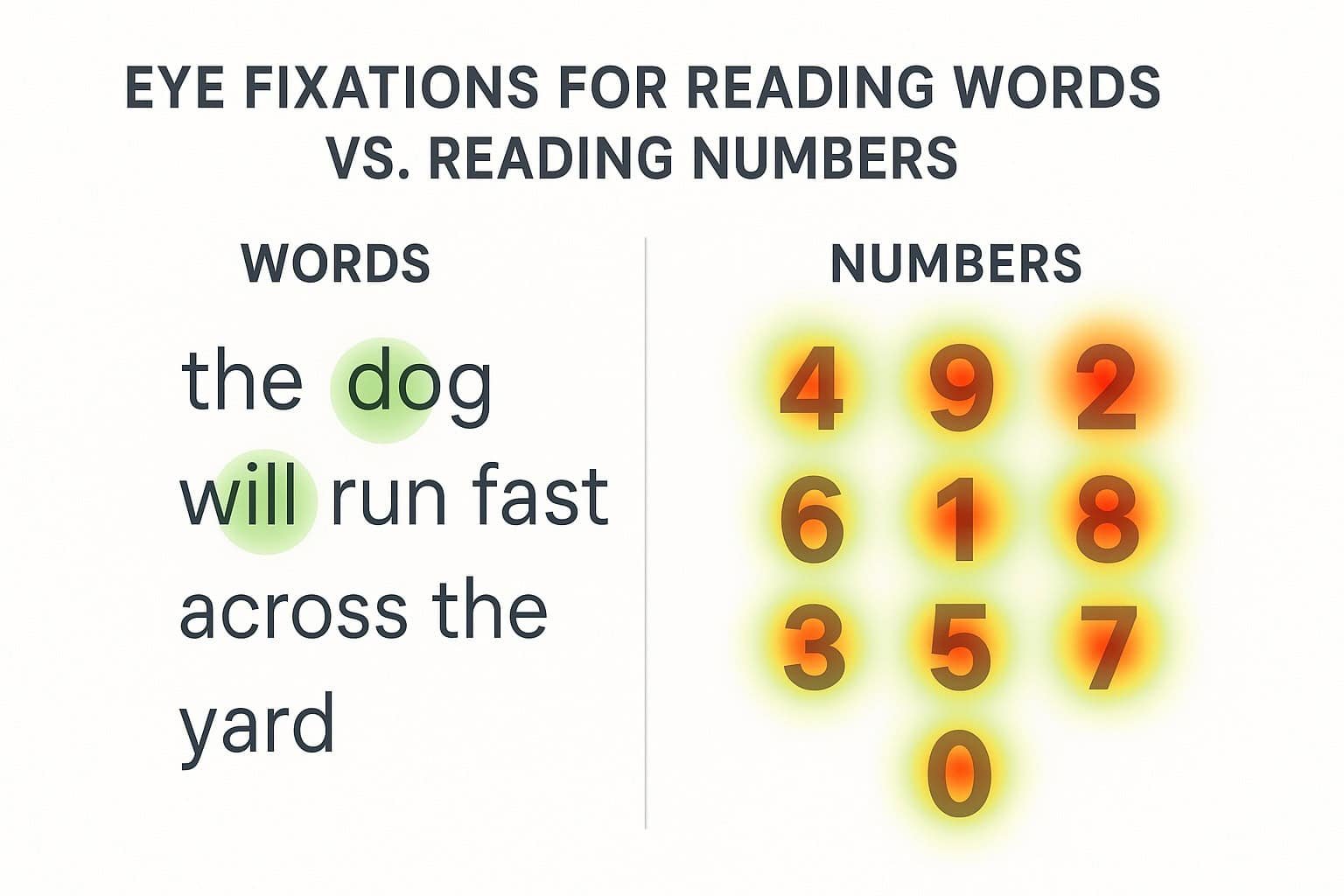
Words are easier to recall because they carry built-in meaning, imagery, and sentence structure that engage multiple memory systems at once. Numbers are abstract symbols processed sequentially through your brain’s limited phonological loop, creating higher cognitive load with fewer natural anchors for long-term storage. This fundamental processing difference makes numbers inherently more challenging to retain than meaningful language.
Ever wondered why you can remember a friend’s name but forget their phone number? Or why a story sticks in your mind while a sequence of digits vanishes almost instantly? Let’s explore what’s really happening inside your brain.
What This Page Explains (And What It Doesn’t)
This page focuses on why this cognitive difference exists. It does not cover:
- How to improve number memory (that’s here: Number Memory Techniques)
- What makes a good memory score (see: Good Number Memory Score)
- Specific mnemonic systems or training methods
Meaning vs. Abstraction: The Brain’s Preference
When you hear the word “pizza,” your brain doesn’t just hear sounds. It lights up like a Christmas tree.
- Semantic memory kicks in (you know what pizza is)
- Visual memory activates (you can picture a pizza)
- Episodic memory joins the party (you remember specific times you ate pizza)
- Emotional connections form (how pizza makes you feel)
This creates multiple retrieval paths. If one memory trace weakens, others can still bring the word to mind.
Now consider the number “7493.” What does it represent? What does it look like? How does it make you feel? For most of us, it’s just… digits. As research on memory and cognitive processing shows, this abstract nature makes numbers among the toughest materials for our brains to handle.
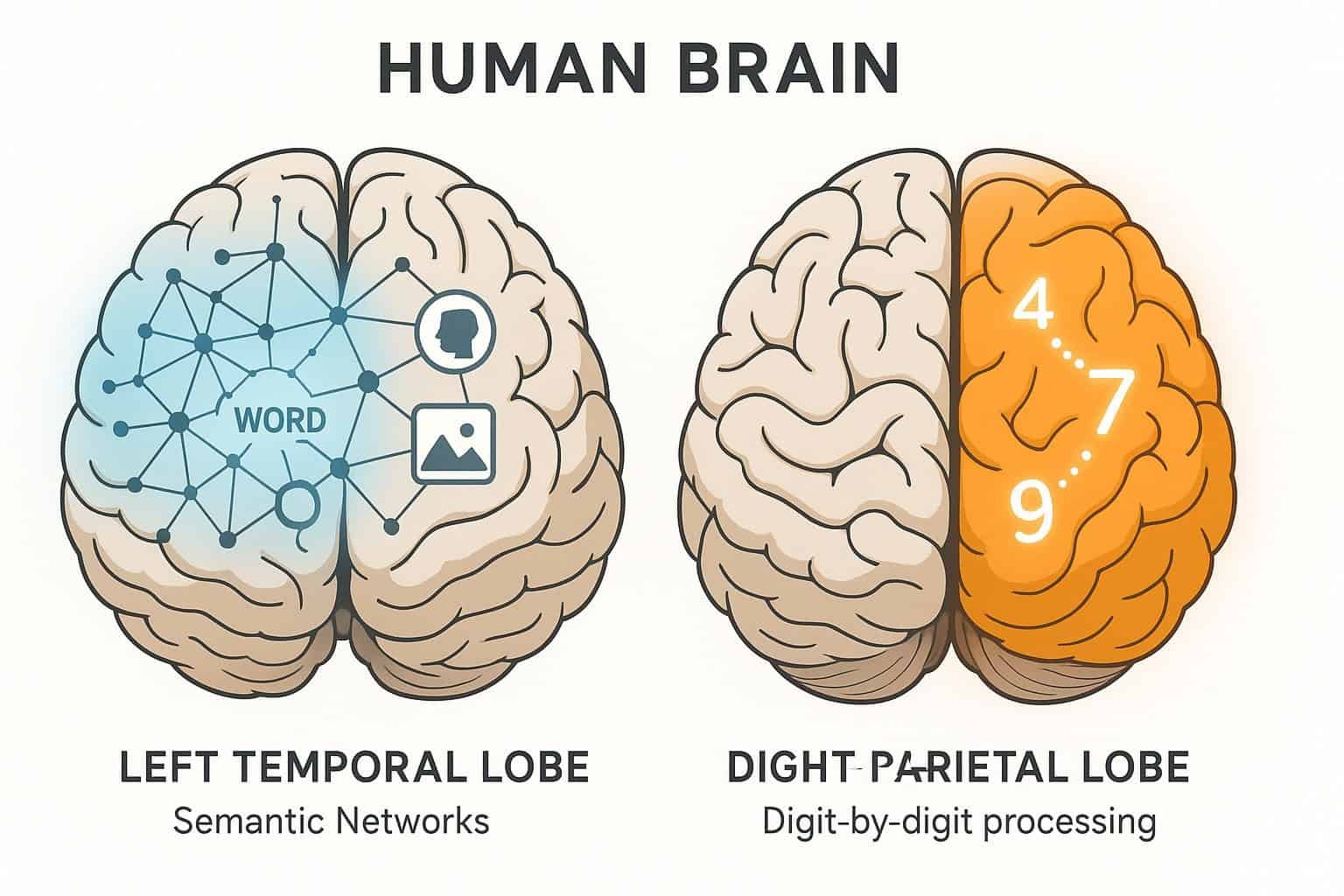
Your Brain’s Wiring: Two Different Highways
Think of word memory as a multi-lane highway system. Damage one lane, and traffic still flows. But number memory? That’s a single-lane country road with constant traffic jams.
| Processing Feature | Words | Numbers |
|---|---|---|
| Memory Systems Used | Semantic, Episodic, Visual, Emotional | Mainly Phonological Loop |
| Retrieval Paths | Multiple backup routes | Single fragile pathway |
| Cognitive Load | Distributed, efficient | Concentrated, exhausting |
| Natural Associations | Many automatic links | Few to none |
This bottleneck happens in your phonological loop—a temporary storage system with strict limits. Classic research (like Miller’s 7±2 finding) shows it typically holds only 5-9 items for 15-30 seconds before fading. That’s why you repeat phone numbers to yourself—you’re fighting against rapid decay.
We’re Built for Language, Not Math
Here’s a surprising fact: your brain evolved over millions of years to handle language, social cues, and tracking small quantities. Complex numbers and math? Those arrived recently in our history. As NPR’s coverage of numerical cognition explains, we’re essentially “recycling” brain circuits designed for other purposes when we work with numbers.
Notice how you instantly recognize 1-3 items without counting? That’s called subitizing—your brain’s natural talent with small quantities. Beyond 4, we must switch to slower counting strategies, revealing our biological limits with larger numbers.
Real-World Proof: Phone Numbers vs. Words
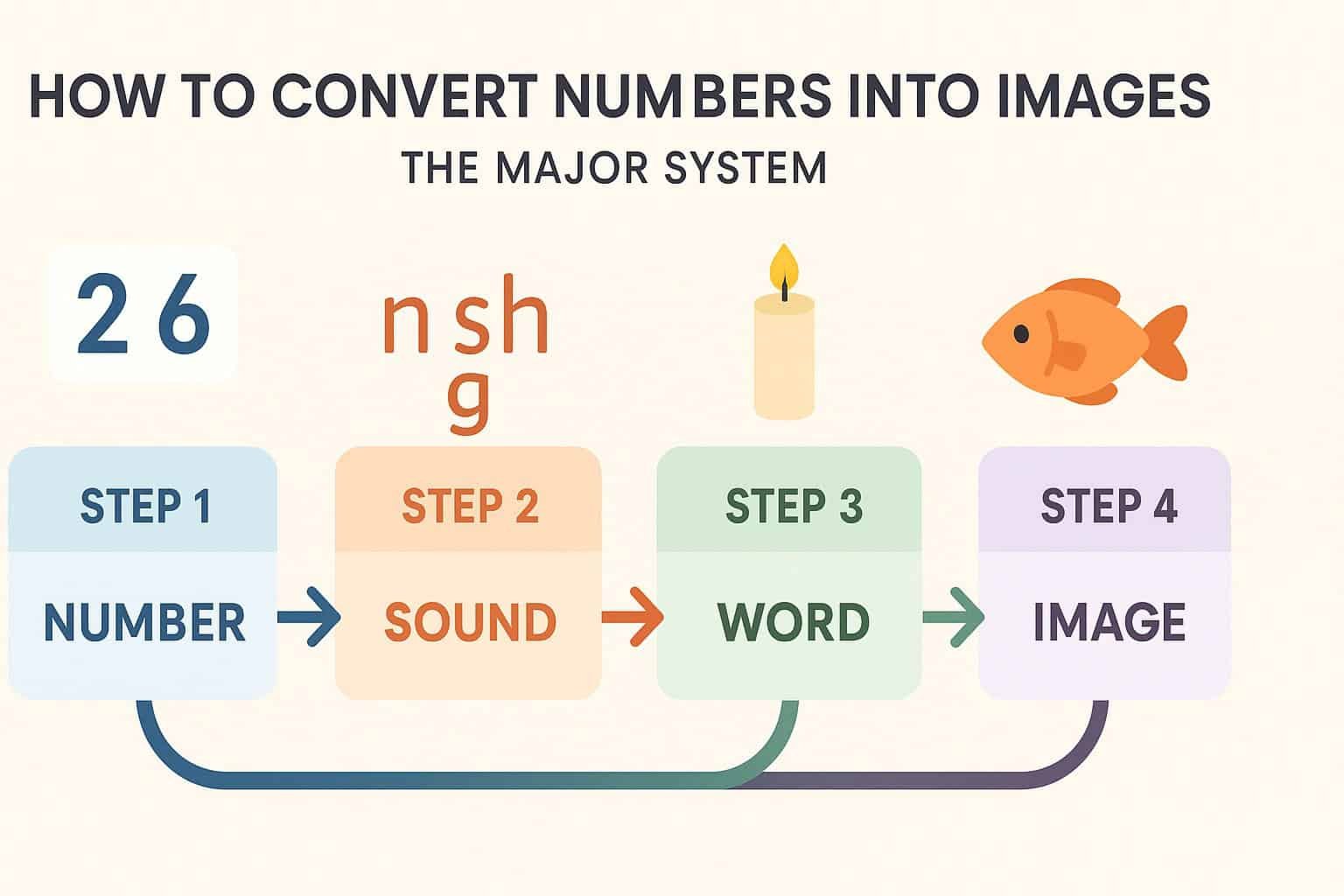
Consider remembering “555-0192” versus remembering “bakery.” With the number, you’re mentally chanting “five-five-five-zero-one-nine-two,” constantly rehearsing. With “bakery,” your mind connects to smells of fresh bread, your local shop, and the joy of pastries. No contest, right?
This explains why businesses use conversions like 1-800-FLOWERS. They’re working with your brain’s natural preferences, not against them.
The Exceptions That Prove the Rule
Some people do excel with numbers. Mathematicians, memory champions, and those with synesthesia (where numbers trigger colors or personalities) seem to defy the norm. But look closer: they succeed by creating meaning where none naturally exists. They’re forcing numbers through the brain’s word-processing pathways using techniques or unique brain wiring.
At MemoryRush, we see this not as a memory “flaw” but as a design feature worth understanding. It tells us something important: our brains prioritize survival-relevant information (words about food, threats, social connections) over abstract symbols.
Continue Your Memory Exploration
Now that you understand why numbers challenge us, here’s what to explore next:
This topic connects to several other areas of cognitive science. You might also find these interesting:
- How does visual memory differ from verbal number recall?
- What’s the relationship between digit span and number memory?
- Can reading actually improve your verbal memory systems?
- How do conditions like ADHD affect working memory limits?

3 thoughts on “Why Numbers Are Harder to Remember Than Words”
Comments are closed.