
Why Do Some People Have Strong Visual Memory?
Scientific Insight: Strong visual memory is not a single talent—it’s the product of brain wiring, cognitive style, emotional engagement, and training. Unlike eidetic memory (which is rare), visual memory varies on a spectrum that anyone can improve.
Introduction—The Mystery of Strong Visual Memory
Some people can remember faces instantly, picture places they visited years ago, visualize diagrams in perfect clarity, or recall the layout of a room with almost photographic precision. Others struggle to remember even simple visuals. Why? What makes visual memory so strong in some individuals and so average in others?
The answer is not simple. Strong visual memory is not a single talent—it is the product of brain wiring, cognitive style, training, emotional engagement, and even genetics. It has nothing to do with photographic memory, which remains a myth, and it is different from extremely rare phenomena like eidetic memory. Visual memory is a normal skill, but its strength varies dramatically from person to person.
What Exactly Is Visual Memory?
Visual memory is the brain’s ability to encode, store, and retrieve information that comes through the eyes. It allows you to recognize faces, navigate places, remember shapes, understand diagrams, and recreate scenes in your mind.
The Three Stages of Visual Memory
- Iconic Memory: A fraction-of-a-second visual buffer that holds the raw image. Think of it as the brain’s instant snapshot.
- Short-Term Visual Memory: Temporary storage lasting a few seconds for things like patterns, faces, or quick visual tasks.
- Long-Term Visual Memory: Durable storage of visual concepts, scenes, and learned patterns that can last years or decades.
Important: People with strong visual memory perform better at all three stages. They encode quickly, retain longer, and recall more vividly. Their brains create richer internal representations of what they see, allowing them to visualize information with exceptional clarity.
The Brain Basis of Strong Visual Memory
Strong visual memory is not magic—it’s neuroscience. There are measurable differences in the brain that allow some individuals to excel at visual recall.
Visual Cortex Efficiency
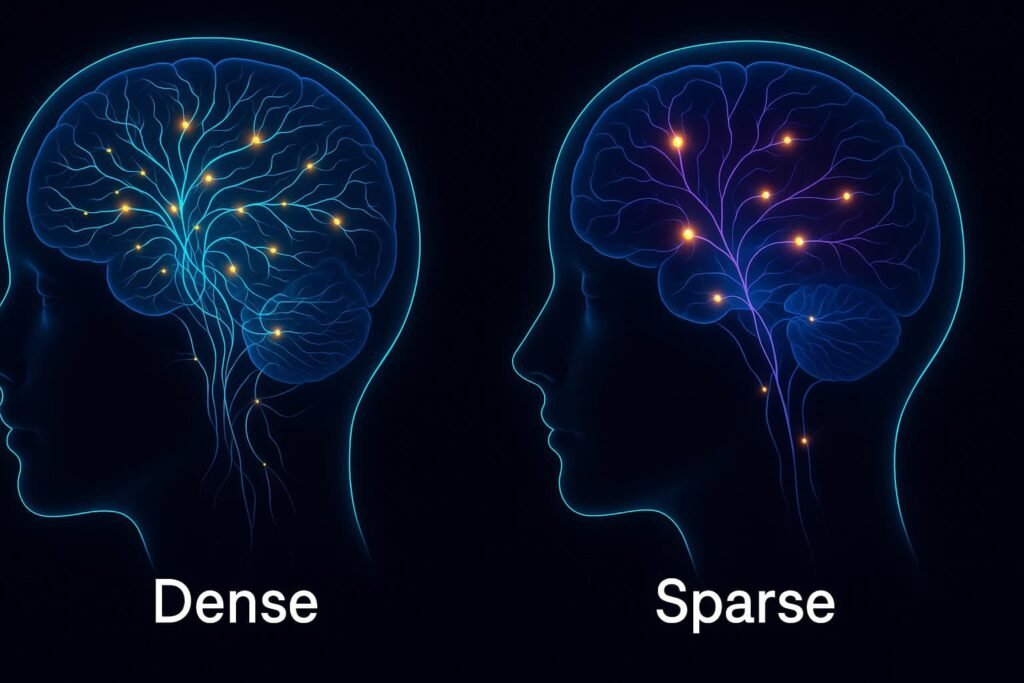
People with strong visual memory have highly efficient visual cortices (V1–V4). This means:
- Faster encoding of visual details
- Sharper internal images with higher resolution
- Better retention of spatial layout and relationships
- Greater sensitivity to shape, contrast, and structure
- Their brains process visual scenes like high-resolution cameras rather than low-detail snapshots.
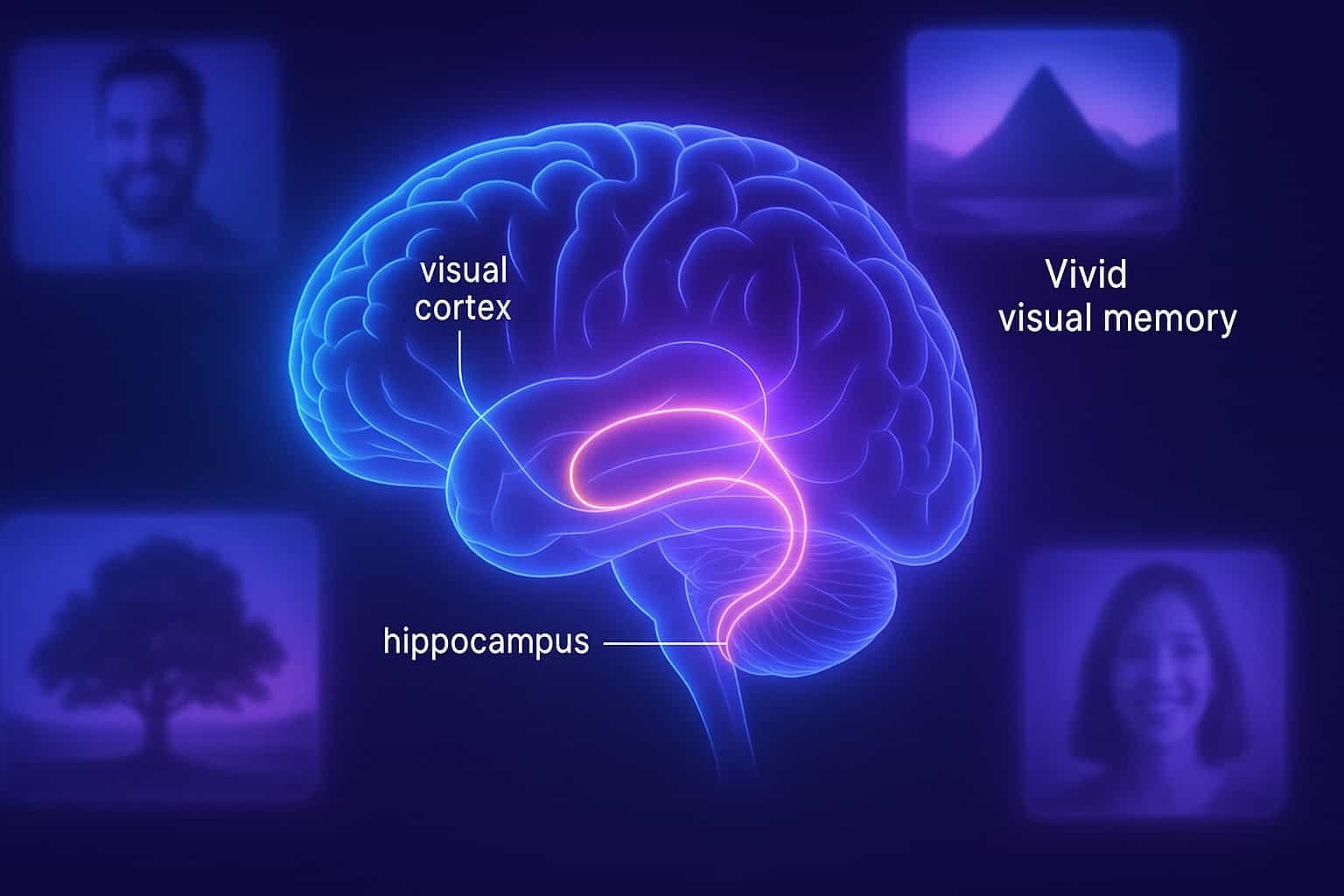
Brain Regions Involved
Visual Cortex (V1-V4)
Processes raw visual information. Efficiency here determines image clarity and detail retention.
Hippocampus
The memory consolidation engine. Converts short-term visual impressions into long-term memories.
Prefrontal Cortex
Controls attention, retrieval, and working memory. Coordinates the visual recall process.
Scientifically Proven Reasons Why Some People Have Stronger Visual Memory
Genetic Differences
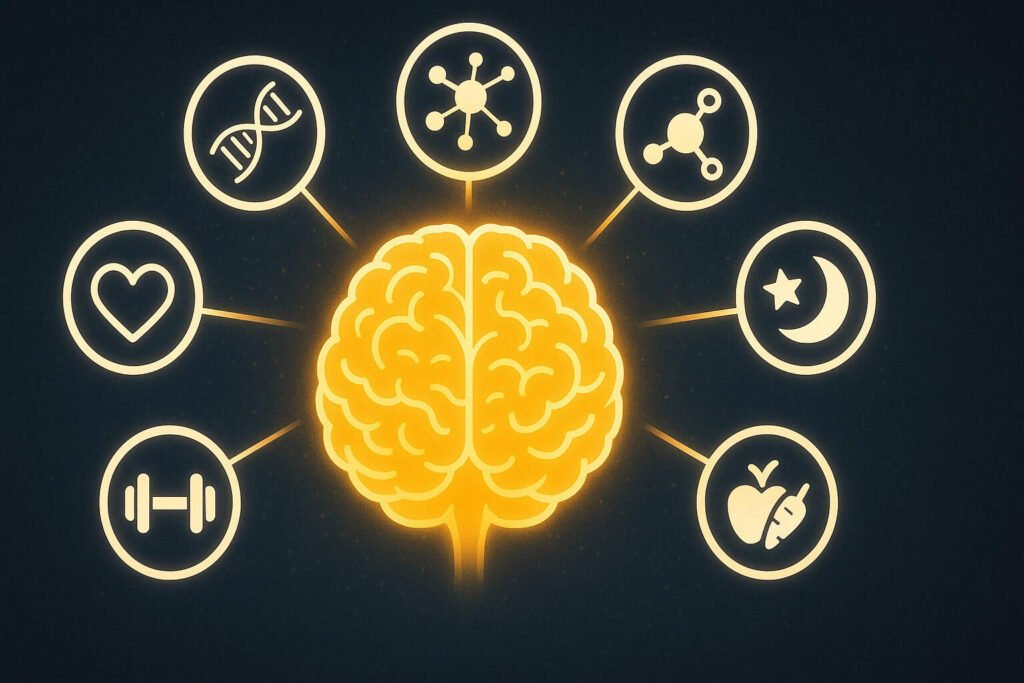
Genetics influence dopamine regulation and synaptic plasticity, affecting how well individuals process and store visual information.
Cognitive Learning Styles
Visual thinkers naturally process information in images, while verbal thinkers rely more on linguistic encoding.
Lifestyle & Brain Health
Quality sleep, exercise, nutrition, and stress management enhance the brain’s ability to encode and recall images.
Emotional Encoding
The amygdala enhances storage of emotionally meaningful images, making emotionally charged visuals more memorable.
Key Insight: Visuals tied to emotion are remembered better. This is why emotional events feel “vivid,” traumatic experiences have strong visual recall, and beautiful or shocking visuals remain unforgettable.
Types of “Strong Visual Memory”
Strong visual memory does not come in one form. Here are the most recognized types:
Hyperphantasia
Extremely vivid mental imagery. People “see” mental images almost as clearly as real ones. This is strong imagination combined with powerful visual retrieval systems.
Visual Working Memory
Excel at holding multiple visual pieces in mind for active use. Common in architects, engineers, surgeons, gamers, and chess players who mentally rotate objects or remember patterns.
Trained Visual Memory
Memory athletes use techniques like the method of loci, character visualization, and chunking to encode visuals efficiently. This is learned, not innate.

Myths About Strong Visual Memory (And The Reality)
| Myth | Reality |
|---|---|
| Strong visual memory means you have photographic memory. | Photographic memory has never been verified in adults; strong visual memory is normal and varies by individual. |
| Strong visual memory is the same as eidetic memory. | Eidetic memory is extremely rare and short-lived; strong visual memory is a broad ability anyone can develop. |
| Strong visual memory equals high IQ. | IQ and visual memory are related but not identical. Many highly visual people excel in creativity and spatial skills, not just general intelligence. |
| Visual memory is fixed and cannot be improved. | Visual memory can be improved massively through training, visualization, and lifestyle habits. |
How to Know If You Have Strong Visual Memory
Here are common indicators of strong visual memory:
- Remember faces instantly
- Navigate unfamiliar areas easily
- Recall colors and patterns accurately
- Mentally rotate objects with ease
- Excel at puzzles and visual games
- Redraw places vividly after visiting
Self-Assessment: If several of these describe you, you likely have above-average visual memory. Most people will identify with some but not all of these indicators.
How to Improve Visual Memory
Visualization Training
Practice visualizing objects, scenes, or diagrams in detail. Mentally redraw rooms, recall face details, or imagine object rotation.
Spatial Memory Exercises
Use games like the Chimp Test on MemoryRush, pattern memory grids, 3D navigation tasks, or maze games to build visual working memory.
Mnemonic Techniques
Memory palaces, story visualization, Person-Action-Object systems, and chunking make visuals more meaningful and memorable.
Lifestyle Optimization
Quality sleep, aerobic exercise, omega-3-rich foods, stress reduction, time in nature, and reduced digital overload enhance visual memory.
Strong Visual Memory in Real Life—Who Benefits Most?
Strong visual memory is extremely useful in many fields:
- Artists & Designers: Rely on mental imagery and visual creativity
- Surgeon: Use visuospatial mapping during procedures
- Chess Players: Memorize board patterns and visualize moves
- Architects: Envision structures before they exist
- Pilots: Rely on visual navigation and spatial awareness
- Detectives: Reconstruct scenes mentally from evidence
Career Advantage: In many professions, visual memory becomes a core performance skill that separates average performers from exceptional ones.
Frequently Asked Questions (Based on Real Google Queries)
Comprehensive answers to the most searched questions about visual memory:
What does “strong visual memory” mean?
Is visual memory linked to intelligence?
Do people with ADHD have good visual memory?
Can adults improve visual memory?
Is strong visual memory the same as hyperphantasia?
Conclusion—Visual Memory Is a Spectrum, Not a Superpower
Strong visual memory is not a rare gift; it is a combination of brain architecture, cognitive style, emotional engagement, practice, and environment. Some people naturally visualize more vividly due to genetics and neural connectivity. Others build this skill through training and repeated exposure to visual tasks.
Key Takeaway: Unlike eidetic memory—which is rare and limited—visual memory is flexible, improvable, and incredibly useful. With the right exercises and strategies, anyone can strengthen this ability.
If you want to measure your own visual memory strength, explore brain-training tools on MemoryRush, including the Chimp Memory Test, Pattern Memory Test, and Number Memory Test.
Scientific References & External Sources

Touheed Ali
Touheed Ali is the founder and editor of MemoryRush, an educational cognitive science platform. He builds and maintains interactive tools focused on memory, attention, and reaction time.
His work centers on translating established cognitive science concepts into clear, accessible learning experiences, with an emphasis on transparency and responsible design.
MemoryRush
Educational Cognitive Science Platform • Memory • Attention • Reaction Time
Educational Use Only
MemoryRush is created for learning and self-exploration and does not provide medical, psychological, or clinical evaluation.